Bearded dragons are among the most popular reptilian companions in the world, yet providing them with a professional level of care requires a sophisticated understanding of desert ecology and specialized biology. Unlike mammals, these cold-blooded saurian rely entirely on their external environment to regulate their metabolism, digestion, and immune system. Creating a thriving habitat for a bearded dragon is an exercise in precision engineering, involving the careful calibration of Ultraviolet (UVB) lighting, thermal gradients, and dietary ratios that shift as the animal matures. A professional caretaker recognizes that a bearded dragon’s health is a direct reflection of its environment; without the correct balance of heat and light, even the best nutrition cannot be absorbed. This comprehensive guide explores the essential pillars of bearded dragon husbandry, from advanced terrarium design to the nuances of brumation, ensuring your scaly companion enjoys a long, active, and vibrant life in a domestic setting that mimics the Australian outback.
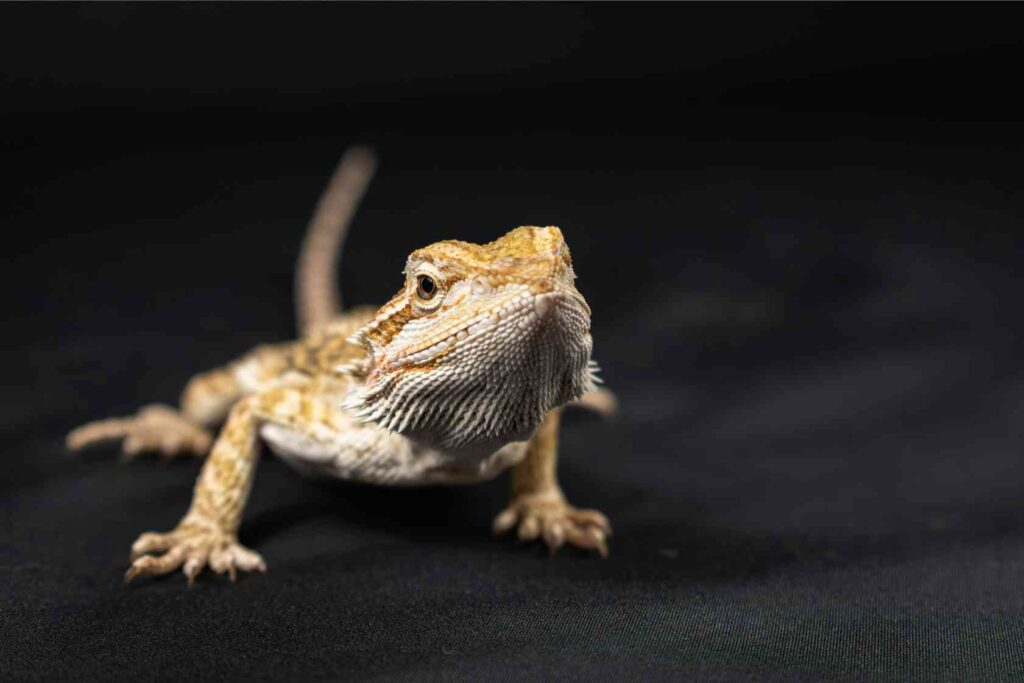
Terrarium Dimensions and the Importance of Spatial Design The foundation of professional reptile care begins with the physical enclosure. A bearded dragon is a semi-arboreal desert dweller that requires significant floor space to move, hunt, and thermoregulate. For an adult dragon, a 120-gallon tank (approximately 4x2x2 feet) is the professional standard. Using a smaller enclosure leads to muscle atrophy and makes it impossible to establish a proper temperature gradient. The enclosure should be made of materials that retain heat well, such as PVC or high-quality wood, with front-opening doors to minimize stress when handling the animal. Top-opening tanks can trigger a dragon’s predatory instinct, as birds of prey often attack from above in the wild. The interior should be designed with “verticality” in mind, providing sturdy branches and rocks that allow the dragon to climb closer to its heat source or retreat into a shaded “hide” area to feel secure.
Advanced Thermal Gradients and Lighting Precision Bearded dragons are ectothermic, meaning they must move between hot and cool areas to manage their body temperature. A professional setup creates a “thermal gradient” with a basking spot at one end reaching 38°C to 42°C, while the “cool side” remains around 24°C to 27°C. This allows the dragon to digest its food efficiently and retreat when it needs to cool down. Perhaps the most critical technical component is the UVB lighting. Without high-intensity UVB (specifically T5 High Output linear bulbs), a bearded dragon cannot synthesize Vitamin D3, leading to Metabolic Bone Disease (MBD), a painful and irreversible condition where the bones soften and deform. The UVB bulb must overlap with the basking heat lamp so the dragon receives both beneficial rays simultaneously. These bulbs lose their effectiveness over time and must be replaced every six to twelve months, even if they still appear to be glowing.
Nutritional Evolution from Juvenile to Adult Stages The dietary requirements of a bearded dragon change significantly as they grow. Juveniles are in a rapid growth phase and require a diet heavy in protein, consisting of about 70-80% live insects such as calcium-shaked crickets or dubia roaches. As they reach adulthood, their metabolism slows, and their diet must flip to 70-80% fresh leafy greens and vegetables to prevent obesity and fatty liver disease. Professional feeding involves offering a “salad” of staple greens like collard greens, mustard greens, and turnip greens daily. Insects should be offered less frequently to adults. It is vital to “gut-load” all feeder insects by feeding them high-quality vegetables before they are given to the dragon, ensuring the maximum transfer of nutrients. Additionally, a professional routine includes regular calcium and multivitamin supplementation, lightly dusted onto the food to support bone density and neurological health.
Substrate Safety and the Risks of Impaction The choice of substrate—the material at the bottom of the tank—is a frequent point of professional debate. While loose sand might look natural, it poses a high risk of “impaction,” where the dragon accidentally ingests the sand while eating, leading to a life-threatening blockage in the intestines. Professional keepers often opt for safer, non-loose substrates like slate tile, ceramic tile, or specialized reptile carpets. Tile is particularly effective because it is easy to sanitize, helps file down the dragon’s nails naturally, and retains heat well. If a naturalistic look is desired, a “bioactive” substrate consisting of a specific mix of topsoil and play sand can be used, provided the dragon is healthy and the environment is managed by an experienced keeper who ensures the dragon is not eating the soil. Maintaining a clean substrate is essential for preventing “yellow fungus” or other bacterial skin infections.
Hydration Strategies and the Significance of Brumation Bearded dragons often do not recognize standing water in a bowl, as they are adapted to licking dew off plants in the wild. To ensure proper hydration, professional care involves regular “soaks” in lukewarm water and misting fresh greens so the dragon ingests water while eating. Hydration is especially important during “brumation,” a state of semi-hibernation that some dragons enter during the cooler months. During brumation, a dragon may become lethargic, stop eating, and hide for weeks or even months. A professional caretaker must distinguish between a healthy brumation and a sick animal. Before allowing a dragon to brumate, a fecal exam by a veterinarian is recommended to ensure the animal doesn’t have a high parasite load, which could become dangerous while its immune system is suppressed during sleep.
Social Solitude and Behavioral Observation One of the most important professional rules of bearded dragon husbandry is that they are strictly solitary animals. Housing two dragons together, regardless of gender, often leads to extreme stress, territorial fighting, and severe physical injury. Even if they appear to be “cuddling,” they are actually competing for the best basking spot and resources. Observing a dragon’s behavior is the best way to monitor its well-being. “Glass surfing” (running against the glass) often indicates that the enclosure is too small or the temperatures are incorrect. “Head bobbing” and “arm waving” are complex social signals used to show dominance or submission. By understanding these subtle behavioral cues and maintaining a rigorous environmental schedule, you can ensure that your bearded dragon remains a docile and fascinating companion for its entire ten to fifteen-year lifespan.