Organic electronics represents a transformative shift in semiconductor technology, moving away from rigid, silicon-based components toward flexible, carbon-based materials that mimic biological structures. Unlike traditional electronics that require high-temperature manufacturing and brittle substrates, organic semiconductors can be printed onto thin plastics, fabrics, or even directly onto human skin. This breakthrough is not merely an incremental improvement; it is a fundamental necessity for the next generation of wearable health monitors, foldable displays, and sustainable digital infrastructure. By utilizing the versatile chemistry of carbon, researchers are developing devices that are not only lightweight and cost-effective but also inherently biocompatible and biodegradable. As we move toward an era of “Invisible Tech,” where sensors are seamlessly integrated into our daily environments, the ability to create electronics that are as flexible as the materials they inhabit becomes essential. This evolution marks a departure from traditional industrial limits toward a future where technology and nature coexist in a harmonious, flexible digital ecosystem.
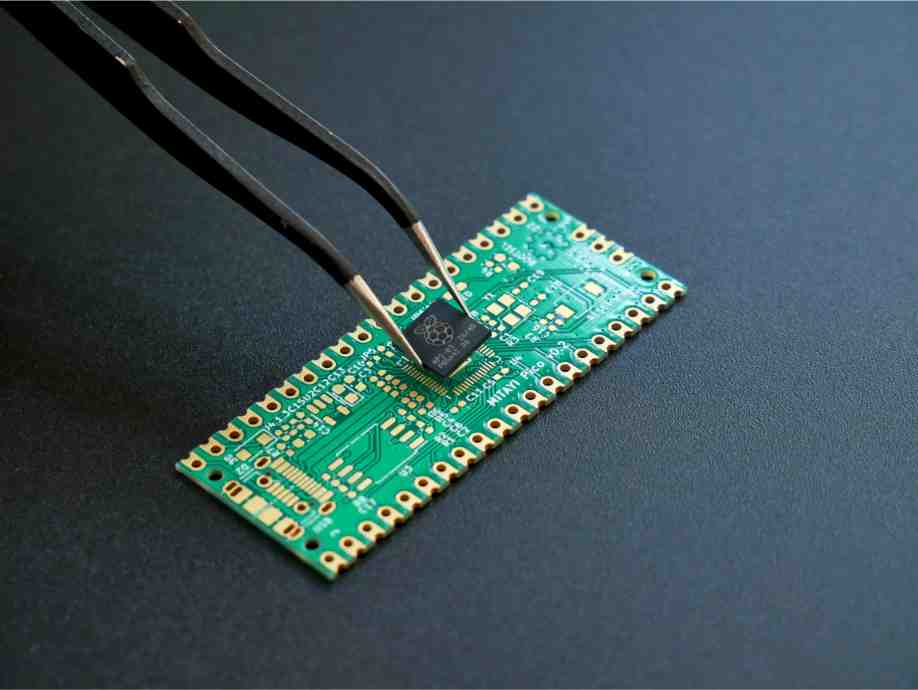
The core advantage of organic electronics lies in the molecular flexibility of carbon-based polymers and small molecules. In a standard silicon chip, atoms are locked in a rigid crystal lattice, which makes the device brittle and susceptible to cracking under physical stress. Organic semiconductors, however, consist of long chains of molecules that can slide and bend without losing their electrical properties. This allows for the creation of “Organic Field-Effect Transistors” (OFETs) that can function perfectly while being twisted or folded. This mechanical resilience is the key to developing truly “Rollable Technology,” where a large-screen television or a high-performance computer can be rolled up like a piece of paper and carried in a pocket.
One of the most profound applications of this technology is seen in the field of “Bio-Electronics” and “Smart Skin.” Because organic materials are chemically similar to the tissues in the human body, they do not trigger the same inflammatory responses as metallic or silicon implants. This allows for the development of ultra-thin, electronic “tattoos” that can monitor heart rate, muscle activity, and hydration levels in real-time with medical-grade precision. These sensors can be applied directly to the skin like a temporary decal, providing a continuous stream of data without the need for bulky straps or external batteries. In the future, these organic interfaces could serve as a direct bridge between the human nervous system and prosthetic limbs, allowing for a level of sensory feedback and control that was previously thought to be science fiction.
The display industry has already begun to see the impact of this revolution through “Organic Light-Emitting Diodes” (OLEDs). Unlike traditional LCDs that require a backlight, each pixel in an OLED display produces its own light, resulting in deeper blacks, more vibrant colors, and significantly lower power consumption. However, the next step in this evolution is the “Large-Area Printing” of electronics. Using techniques similar to inkjet printing or roll-to-roll manufacturing, companies can produce miles of electronic circuits on flexible plastic sheets at a fraction of the cost of traditional clean-room fabrication. This scalability is essential for the “Internet of Everything” (IoE), where every package, clothing item, and building component can be equipped with a cheap, disposable organic sensor to track its location and condition.
Environmental sustainability is another critical frontier where organic electronics offer a massive benefit over traditional hardware. The production of silicon chips is an energy-intensive process that involves hazardous chemicals and produces significant carbon emissions. Organic electronics, on the other hand, can be manufactured at room temperature using non-toxic “green” solvents. More importantly, many organic electronic materials are designed to be “Transient,” meaning they can safely biodegrade after their functional life is over. This addresses the global crisis of “E-Waste,” where millions of tons of old electronics end up in landfills, leaking toxic metals into the soil. A biodegradable organic sensor could simply be composted, returning its carbon-based components to the earth without any negative environmental impact.
Looking ahead, the convergence of organic electronics with “Neuromorphic Engineering” is creating a new discipline known as “Bio-Inspired Computing.” By using organic materials to create “Synaptic Transistors” that mimic the way human brain cells communicate, researchers are building computers that can learn and adapt in real-time. These organic neural networks are incredibly efficient at pattern recognition and could be used to create “Intelligent Implants” that predict and prevent seizures or manage chronic pain by automatically adjusting their electrical output based on the body’s needs. As we continue to refine the stability and performance of these carbon-based materials, the boundary between the digital and biological worlds will continue to blur. The journey of organic electronics is more than just a search for more flexible screens; it is a profound exploration of how we can build a more sustainable, integrated, and human-centric technological future. This evolution ensures that our technology is not just something we use, but something that truly becomes a part of our lives.