Rearing the Aseel chicken, a legendary heritage gamefowl breed deeply rooted in South Asian history, demands a highly specialized approach that differs significantly from standard backyard poultry farming. Characterized by their muscular skeletal structure, upright stance, fierce territorial instincts, and incredible physical endurance, these birds are prized for their pure genetics and natural hardiness. However, managing this primitive breed at a professional standard requires a deep understanding of aggressive behavioral patterns, advanced dietary requirements to support muscle density, and specialized housing infrastructure to prevent territorial conflicts. A thriving Aseel flock depends on an environment that respects their independent nature while offering maximum biosecurity and safety. This guide explores the essential pillars of professional Aseel husbandry, focusing on structural habitat design, high-protein nutrition, and stress-free socialization protocols to preserve this magnificent heritage breed.
Structural Architecture of Isolated Housing Systems The most defining characteristic of the Aseel breed is its intense territorial behavior and natural aggression, particularly among mature roosters and even broody hens. Unlike social commercial breeds that thrive in large, mixed communities, adult Aseel roosters cannot be housed together, as they will fight to the death. A professional housing layout must utilize a compartmentalized design featuring separate pens or individual isolation runs for each mature male. The partition walls between the pens should be constructed using solid materials up to a height of at least three feet to prevent neighboring roosters from seeing each other and pacing or attacking the wire mesh, which causes severe beak and comb injuries. The enclosures must be highly secure, using heavy-duty hardware cloth to keep out nocturnal predators and wild birds that carry pathogens. Proper ventilation remains critical; keeping the roof vents open allows ammonia and moisture from droppings to escape, ensuring clean air quality that prevents chronic respiratory infections.
Nutritional Formulation for Maximum Muscle Density and Skeletal Strength Because Aseel chickens possess a heavy, dense bone structure and a prominent muscular build, their nutritional requirements lean heavily toward specialized proteins and structural minerals. Standard poultry feeds designed for rapid fat accumulation in commercial broilers are entirely unsuitable for this breed, as they lead to unhealthy fat deposits around internal organs and weaken their joints. A professional feeding regimen requires a high foundation of clean, diverse grains mixed with premium animal protein. The diet should include a balanced combination of cracked corn, sorghum, pearl millet, and black chickpeas to provide complex carbohydrates and clean energy. Supplementary protein, such as dried mealworms, boiled eggs, or unseasoned fish meal, is essential during their rapid growth phases and annual molting periods to support the development of their powerful breast muscles and thick leg tendons. Soluble grit and crushed limestone must be provided constantly in separate troughs, giving laying hens the necessary calcium to produce thick, resilient eggshells without depleting their own bone density.
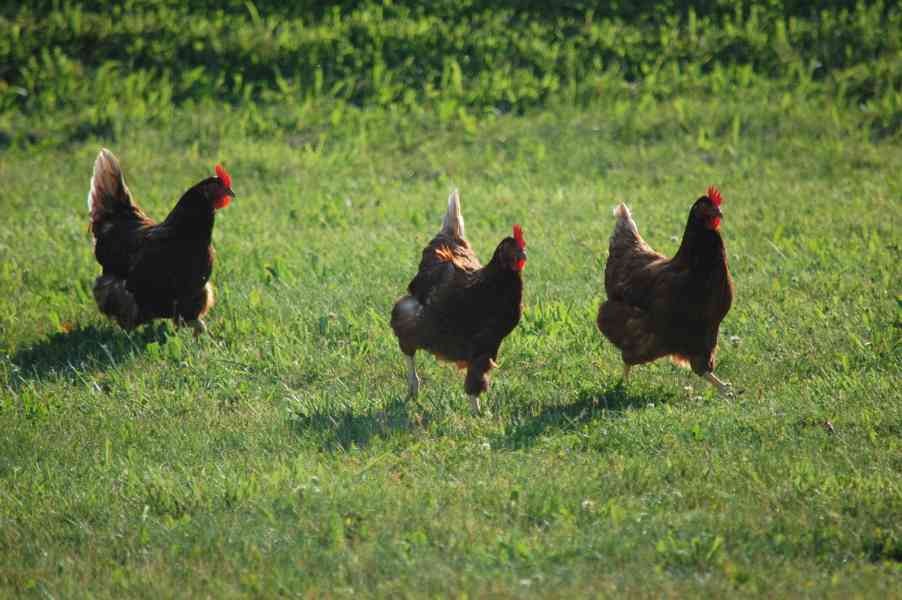
Foraging Yard Optimization and Environmental Safety As seen in the realistic habitat portraits of the breed, Aseel chickens are exceptional foragers that thrive when given access to controlled outdoor yards. Their powerful legs and sharp beaks are designed for digging up subterranean insects, roots, and mineral-rich soils. A professional free-range yard must be structurally designed to support these natural instincts while mitigating environmental hazards. The foraging area should be securely fenced with a high perimeter to prevent these agile birds from flying out, and the ground should be covered in a clean rotation of native grasses and clover. To mimic their ancestral jungle environment, incorporating natural shade structures like fruit trees, dense bushes, or overhead bamboo awnings is vital. These structures provide protection from intense overhead sunlight and shield the birds from aerial predators like hawks. Additionally, providing large sand-box stations filled with a dry mixture of clean sand, wood ash, and a minimal dusting of organic diatomaceous earth allows the birds to perform intensive dust bathing, which serves as a natural defense mechanism against external parasites like feather lice and mites.
Advanced Biosecurity Protocols and Disease Eradication Despite their legendary natural immunity and resilience to extreme weather variations, Aseel poultry are still susceptible to highly contagious avian viruses that plague free-range ecosystems. The most critical biosecurity threats to a heritage flock include Newcastle Disease, Fowl Pox, and Marek’s Disease. Implementing a professional healthcare schedule relies entirely on a proactive vaccination timeline, starting from the first week of a chick’s life and maintaining regular booster intervals for adult breeding stock. The entryways to the poultry facility must feature a mandatory disinfectant foot-bath to prevent caretakers from introducing external viruses on their footwear. Any new genetic stock introduced to the farm to prevent inbreeding depression must undergo a strict, uncompromising three-week quarantine period in an entirely isolated building located downwind from the main flock. This isolation window allows the keeper to monitor the bird for latent symptoms of respiratory distress, unusual droppings, or lethargy before integration.
Managing Selective Breeding and Pedigree Preservation Preserving the pure, unadulterated bloodlines of the Aseel requires a meticulous and organized breeding management system. Because these hens are seasonal layers and produce a limited number of eggs annually, every single egg is of immense genetic value. Professional breeders utilize a “harem breeding” method, pairing one superior, structurally perfect rooster with a small group of three to four unrelated hens in a controlled breeding pen. This limited ratio ensures optimal fertility rates and reduces the risk of hens fighting over nesting sites. The nesting boxes must be deeply bedded with clean, aromatic materials like dried neem leaves and soft straw to deter nest mites and provide a calm, dark environment for the broody hen. Aseel hens are famously fierce mothers; during the twenty-one-day incubation cycle, the broody hen should be left entirely undisturbed, with her own private food and water supply placed within arm’s reach to prevent her from leaving the nest and allowing the eggs to cool.
Flock Observation and Behavioral Diagnostics Maintaining a professional standard of heritage poultry welfare requires a highly observant caretaker who can interpret subtle shifts in avian behavior and physical appearance. A healthy Aseel should display a piercing, alert gaze, a tightly tucked feather profile, bright red wattles, and a clean, firm comb. Because they are primitive gamefowl, they instinctively mask signs of physical weakness or internal illness to maintain their position within the flock’s social structure. Daily inspection of the birds’ droppings is one of the most effective non-invasive diagnostic tools available; loose, off-colored, or bloody droppings serve as an immediate warning sign for internal parasitic infections like coccidiosis or worm infestations. Any bird showing signs of droopiness, a pale comb, or a hunched posture must be immediately isolated to a quiet, warm recovery coop. This swift action protects the individual bird from being bullied by its flock mates while containing any potential disease outbreak before it compromises the economic and genetic stability of the entire enterprise.