Managing cattle for the sacred tradition of Qurbani (sacrificial offering) requires a deep integration of ethical animal welfare and rigorous agricultural science. For millions of Muslims globally, selecting and caring for a sacrificial animal is an act of deep devotion that demands the highest standards of respect, hygiene, and compassion. From a professional livestock management perspective, the weeks leading up to the sacrifice are critical for stabilizing the animal’s health, managing transport-related stress, and ensuring strict compliance with both veterinary and traditional guidelines. A truly acceptable and healthy animal depends on pristine living conditions, precise nutrition, and humane handling practices that eliminate fear and suffering. This comprehensive guide explores the essential pillars of managing Qurbani cattle, focusing on health verification, stress mitigation, and humane practices to ensure a dignified and professionally managed process.
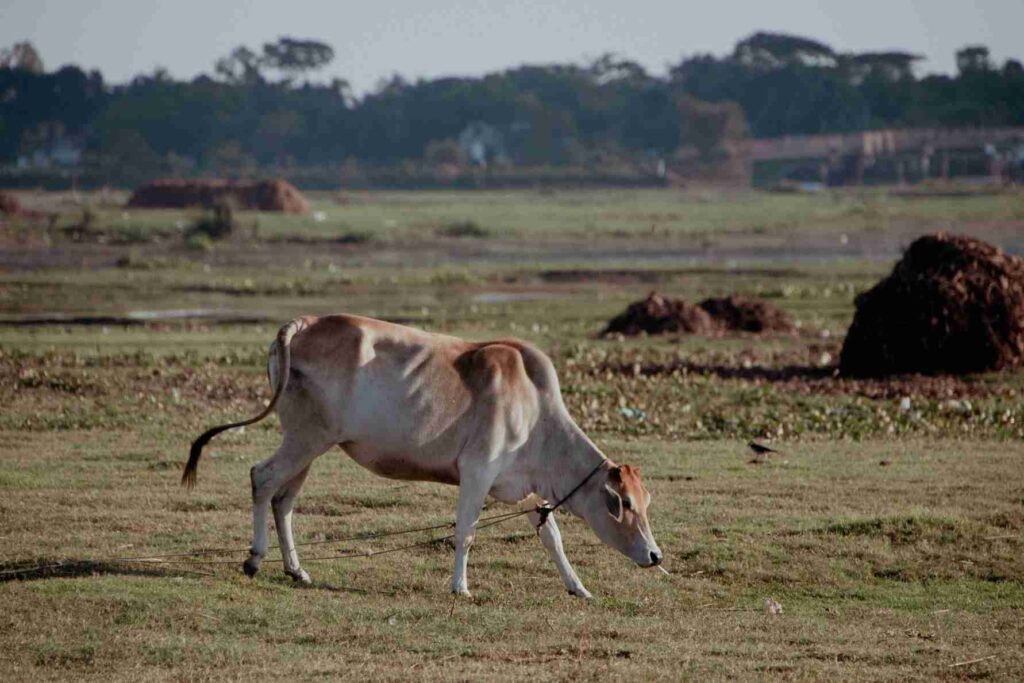
Morphological Assessment and Health Verification Standards The professional management of sacrificial cattle begins with a strict anatomical and health evaluation. Traditional and veterinary standards require the animal to be in optimal physical condition, free from obvious defects, injuries, or chronic wasting diseases. A professional assessment involves inspecting the animal’s teeth to verify its age, as cattle must be at least two years old, indicated by the eruption of the two central permanent incisors. The coat should be smooth, glossy, and free of external parasites like ticks or mites, which can cause skin infections and systemic stress. Bright, clear eyes and a moist, cool muzzle are primary indicators of a healthy metabolic state. Caretakers must also observe the animal’s gait; any signs of limping, joint swelling, or hoof rot must be addressed immediately by an agricultural specialist. Selecting an animal with a robust, balanced skeletal structure ensures it can handle the transition to a new environment without experiencing physical distress or structural failure.
Nutritional Optimization and Digestive Stabilization When cattle are brought to a new home or market prior to the sacrifice, their digestive systems are highly vulnerable to stress-induced complications. Cattle are ruminants, possessing a complex four-compartment stomach that relies heavily on a stable microbial population to ferment fiber. Hasty changes in their diet can lead to life-threatening conditions like “ruminal acidosis” or severe bloating. Professional dietary management involves maintaining a high-fiber foundation consisting of clean, dust-free grass hay, straw, or fresh green forage. Concentrates, such as wheat bran or mustard oil cake, should be introduced very gradually and limited to small portions to prevent metabolic shock. Hydration is equally critical; cattle require constant access to clean, cool water to regulate their body temperature and assist digestion. Adding a small amount of electrolyte powder or natural molasses to their water can encourage hydration and replenish vital minerals lost during transportation.
Transport Stress Mitigation and Environmental Adaptation The journey from rural livestock farms to urban settings or local markets is often the most stressful event in an animal’s life. “Shipping fever” or respiratory tract infections frequently occur due to overcrowding, poor ventilation, and extreme heat during transport. Professional handlers minimize this risk by utilizing spacious, well-ventilated vehicles with non-slip flooring covered in straw bedding. Upon arrival at the holding facility, the cattle must be allowed a mandatory rest period of twenty-four to forty-eight hours with immediate access to water and forage before any intensive handling occurs. The holding area must be a quiet, shaded environment protected from direct sunlight, rain, and strong drafts. Because cattle are herd animals, keeping them within sight of other livestock reduces their anxiety levels, stabilizes their heart rate, and prevents behavioral issues driven by isolation panic.
Hygiene Infrastructure and Biosecurity Protocols Maintaining a professional standard of sanitation in the temporary holding area is vital for preventing the outbreak of zoonotic or infectious diseases. The floor must be cleaned of manure and urine multiple times a day to control ammonia buildup, which can severely irritate the animal’s sensitive respiratory tract. Utilizing absorbent bedding materials like wood shavings or clean straw helps keep the cattle dry and comfortable. Biosecurity protocols should be implemented to prevent cross-contamination between newly arrived animals and local livestock. Handlers should use organic, pet-safe disinfectants to sanitize feeding troughs and water buckets daily. Furthermore, the environment should be actively managed to control flies and mosquitoes, which are vectors for blood-borne pathogens. A clean, odor-free environment not only preserves the physical health of the cattle but also promotes a calm, low-stress atmosphere that is essential for their mental well-being.
Ethical Handling and the Psychology of Calm Livestock Management Elephants, cattle, and other large mammals possess a wide field of vision with a specific “blind spot” directly behind them. Professional cattle handling relies on understanding their “flight zone” and point of balance to move them calmly without resorting to shouting, tail-twisting, or physical force. Rough handling triggers an immediate rush of adrenaline and cortisol, which dulls the animal’s immune system and causes extreme psychological fear. Keepers must use soft vocalizations and slow, deliberate movements when interacting with the cattle. Leading ropes should be secured comfortably without causing skin abrasions or restricting their breathing. Prioritizing a calm environment is a core professional and ethical requirement; a relaxed animal is easier to manage, less likely to injure itself or its handlers, and aligns perfectly with the traditional mandate of showing ultimate compassion to the animal before the sacrifice.
The Final Twenty-Four Hours: Pre-Sacrifice Welfare and Fasting The final day leading up to the sacrifice requires a specialized protocol designed to ensure the maximum comfort and dignity of the animal. Professionally, all solid feed should be withheld for twelve to twenty-four hours prior to the sacrifice, while continuing to provide unlimited access to clean water. This fasting period is a standard agricultural practice that clears the digestive tract, reduces the internal bacterial load, and makes the post-sacrifice processing significantly cleaner and more hygienic. During this final phase, the cattle must be kept in the most peaceful area possible, away from loud noises, bustling crowds, or the sight of other sacrifices. Minimizing stress in these final hours prevents the buildup of lactic acid in the muscles, ensuring the physical state of the animal remains pristine, pure, and fully respectful of the traditional values that emphasize mercy and perfection in every step of the process.