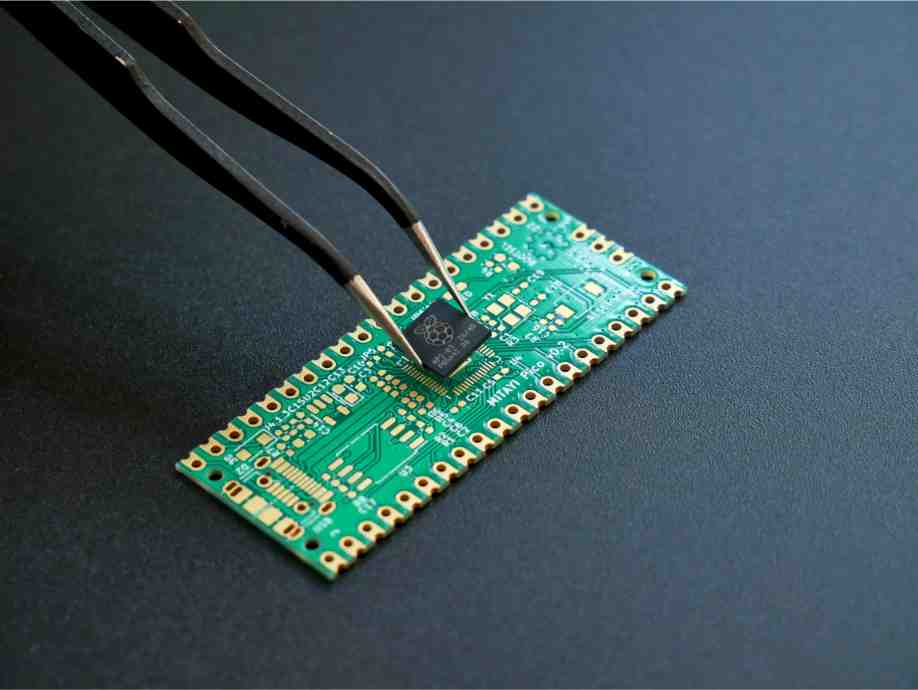
Neuromorphic computing represents a radical departure from the traditional Von Neumann architecture that has defined digital systems for decades. By drawing inspiration from the intricate biological structures of the human brain, researchers are developing hardware that can process information with unprecedented energy efficiency and speed. Unlike conventional processors that separate memory and computation, neuromorphic chips integrate these functions into artificial neurons and synapses. This breakthrough is not merely a theoretical exercise; it is a critical necessity for the next generation of artificial intelligence and edge devices. As we move toward a future where machines must learn and adapt in real-time, the ability to mimic the brain’s parallel processing capabilities becomes essential. This technological shift is paving the way for a more intuitive digital era, where computers do not just execute commands but actually perceive and react to complex sensory data with the same fluidity as a living organism.

ShutterstockThe fundamental philosophy behind neuromorphic engineering is based on “event-based” processing. In a standard computer, the processor is constantly active, consuming a steady stream of power regardless of the task’s complexity. In contrast, the human brain is incredibly efficient because neurons only fire when they receive a specific stimulus. Neuromorphic hardware replicates this by using Spiking Neural Networks (SNNs). These networks only transmit data when a certain threshold is reached, drastically reducing the energy footprint of complex calculations. This efficiency is particularly vital for battery-powered devices, such as remote sensors or mobile hardware, which currently struggle with the massive power demands of traditional AI algorithms. By optimizing the hardware at the silicon level to behave like biological cells, we are entering an era of “low-power intelligence” that can operate for years on a single charge.
Beyond energy efficiency, the spatial architecture of neuromorphic chips allows for massive parallelism. In a classical CPU, data must travel back and forth between the memory and the processor, creating a bottleneck that limits performance. Neuromorphic designs eliminate this “bottleneck” by placing memory directly within the processing units, much like how synapses in the brain store and process information simultaneously. This allows for nearly instantaneous pattern recognition, which is crucial for applications like real-time image processing, voice recognition, and autonomous navigation. For instance, a neuromorphic vision sensor can process visual changes at the pixel level, ignoring static backgrounds and focusing only on movement. This mimics the way a predator tracks its prey, allowing for much faster reaction times than any traditional camera-processor setup could ever achieve.
The implications for robotics and prosthetic technology are equally transformative. Current robotic systems often feel rigid because they rely on pre-programmed instructions or heavy cloud-based processing. A neuromorphic-powered robot, however, could learn through physical interaction with its environment, adapting its movements based on real-time sensory feedback. This “on-device learning” allows machines to gain skills without needing a constant internet connection or massive datasets. In the field of medical prosthetics, neuromorphic chips could serve as a bridge between artificial limbs and the human nervous system. By translating electronic signals into neural spikes that the brain can understand, these chips could provide amputees with a realistic sense of touch and more natural motor control, fundamentally improving their quality of life.
Furthermore, neuromorphic computing is set to revolutionize the world of “Big Data” and predictive analytics. As the volume of data generated by global networks continues to grow, traditional servers are reaching their physical limits. Neuromorphic systems excel at finding correlations in messy, unstructured data—tasks that are notoriously difficult for classical computers. Whether it is detecting a subtle shift in global climate patterns or identifying a potential cybersecurity threat in a sea of network traffic, these brain-inspired systems can spot anomalies with a level of nuance that mirrors human intuition. This capability makes them an ideal partner for traditional high-performance computing, handling the intuitive, sensory-driven tasks while classical machines handle the precise, number-crunching operations.
Looking toward the future, the convergence of neuromorphic engineering with nanotechnology and material science will likely lead to even more compact and powerful systems. We are already seeing experimental devices that use memristors—components that can “remember” the amount of charge that has flowed through them—to create even more realistic artificial synapses. As these technologies mature, we may see the emergence of truly “autonomous intelligence” that can function in the most extreme environments, from the depths of the ocean to the vacuum of space. The journey of neuromorphic computing is more than just a search for faster chips; it is a profound exploration of what it means to calculate, perceive, and ultimately, to think. This evolution ensures that the future of technology is not just digital, but biological in its elegance and efficiency.