Pigeons, members of the Columbidae family, are among the oldest domesticated birds in history, yet providing them with a professional level of care requires a sophisticated understanding of avian physiology and behavioral psychology. Often celebrated for their remarkable homing instincts and navigational capabilities, pigeons are highly social and intelligent creatures that thrive in structured environments. A professional-grade pigeon loft must prioritize ventilation, security from predators, and a meticulously balanced nutritional regimen to support their high metabolic rates. Whether managed for hobbyist breeding, competitive racing, or as domestic companions, a thriving pigeon depends on a habitat that facilitates natural flight patterns and respects their complex social hierarchies. This guide provides an in-depth analysis of professional pigeon care, ensuring these resilient birds lead a healthy and enriched life in a managed setting.
Architectural Standards of a Professional Pigeon Loft The foundation of professional pigeon care begins with the design and maintenance of the loft. A pigeon loft is not merely a cage but a specialized structure that must provide security, dryness, and exceptional airflow. Pigeons are highly susceptible to respiratory issues, which means the loft must be designed to allow stale air and dust to exit while preventing dampness from entering. A professional loft is typically raised off the ground to prevent rodent access and features a “trapping” system that allows birds to enter but not exit without the keeper’s assistance. Inside, the layout must include individual nesting boxes and perches designed to prevent territorial disputes. The floor should be covered with a dry substrate or a specialized grating system that allows droppings to fall through, maintaining a hygienic environment. Proper orientation of the loft is also critical; it should ideally face the sun to ensure the birds receive natural light and heat, which are essential for their vitamin D synthesis and overall morale.
Nutritional Precision and the Role of Insoluble Grit Pigeons are primarily granivores, meaning their diet is centered around seeds and grains. However, a professional feeding program goes far beyond a standard birdseed mix. A high-performance pigeon diet consists of a balanced ratio of proteins, carbohydrates, and fats, typically sourced from maple peas, corn, wheat, milo, and safflower. The exact proportions must be adjusted based on the season; for instance, birds require more protein during the molting and breeding seasons and more fats during winter or racing periods. A unique and mandatory component of pigeon nutrition is the provision of “grit.” Because pigeons swallow their seeds whole, they require small stones or insoluble grit in their gizzard to mechanically grind the food for digestion. Additionally, a professional mineral mix—often containing calcium, phosphorus, and salt—is provided to ensure bone density and eggshell quality. Water must be kept pristine and changed daily, as pigeons are “suck” drinkers, meaning they immerse their beaks to pull in large quantities of water, making contamination easy if the vessel is not cleaned frequently.
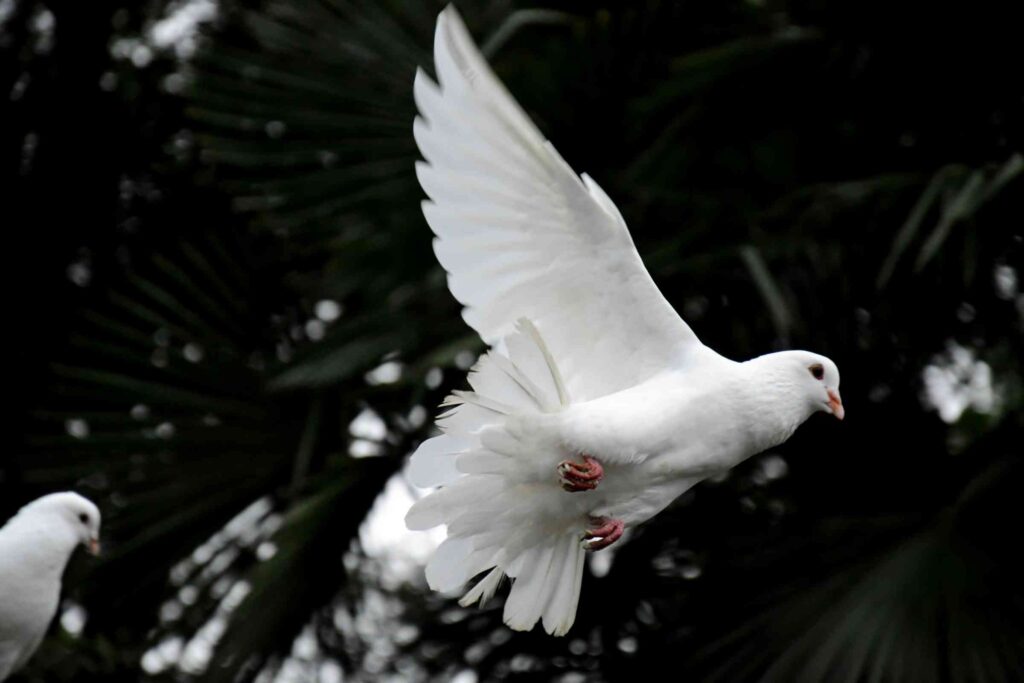
The Science of Avian Navigation and Flight Exercise One of the most fascinating aspects of professional columbiculture is the management of the pigeon’s homing instinct. Pigeons utilize a combination of magnetoreception, solar cues, and infrasound to navigate across vast distances. Professional keepers must “train” their birds through a process of gradual release, starting with short distances around the loft and slowly increasing the radius. This exercise is not only vital for their navigational “brain” but also for their physical cardiovascular health. A professional daily routine includes “loft flying,” where the birds are released for an hour in the morning and evening to exercise their flight muscles. During this time, the keeper monitors their flight patterns; birds that are healthy and in top condition will fly in tight, energetic formations. This physical activity is essential for preventing obesity and ensuring that the bird’s respiratory system remains clear and efficient.
Managing Complex Social Hierarchies and Breeding Cycles Pigeons are monogamous and form deep, long-term bonds with their mates. In a professional setting, managing these relationships is key to a peaceful loft. Pigeons establish a strict “pecking order” or social hierarchy, and introducing new birds must be done with caution to prevent aggressive territorial defense. Professional breeding management involves providing high-quality nesting materials like pine needles or tobacco stalks, which have natural anti-parasitic properties. Both the male and female participate in incubating the eggs and producing “crop milk,” a highly nutritious secretion used to feed the young squabs. A professional keeper must monitor the health of the squabs closely, ensuring they are reaching growth milestones. Once the squabs are weaned, they are moved to a “young bird” section of the loft to prevent harassment from dominant adults and to begin their specific socialization and training.
Preventive Healthcare and Pathogen Management Because pigeons often live in close quarters, the risk of pathogen transmission is high. A professional healthcare routine focuses heavily on prevention rather than just treatment. Common threats include Coccidiosis, Trichomoniasis (canker), and Paramyxovirus (PMV-1). A professional loft management plan includes a strict vaccination schedule, particularly for PMV-1, and regular “droppings analysis” to detect internal parasites before they manifest as clinical illness. Hygiene is the best medicine; the loft must be scraped and disinfected weekly using avian-safe cleaners. Additionally, “biosecurity” protocols are implemented, such as quarantining new arrivals for at least three weeks and limiting the access of wild birds to the loft’s feeding areas. Monitoring the “wattle” (the white fleshy part above the beak) and the eyes is a daily task; a healthy pigeon should have a clean, white wattle and bright, alert eyes. Any sign of sneezing, discharge, or lethargy is treated as an immediate medical emergency requiring isolation.
Molting Physiology and Seasonal Feather Care The molt is an annual biological process where a pigeon replaces its old, worn-out feathers with new ones. This period is incredibly taxing on the bird’s metabolism, as feather production requires a massive amount of protein and energy. A professional caretaker must adjust the diet during the molt to include more oil-rich seeds like linseed and hemp, which provide the essential fatty acids needed for lustrous, waterproof feathers. During this time, pigeons may become more quiet and less active, and their flight exercise should be reduced to prevent stress on the developing “blood feathers.” Providing regular bath opportunities is also a professional standard. Pigeons love to bathe in water, which helps remove feather dust and dander while also softening the sheaths of new feathers, making the molting process more comfortable. A professional bath routine involves adding specialized salts or a small amount of apple cider vinegar to the water to help keep the plumage free of external parasites like feather lice and mites.