Modern zoos are no longer just simple places for public entertainment; they have significantly evolved into highly specialized institutions focused on animal welfare, global conservation, and scientific education. As the worldwide awareness of animal rights and environmental ethics grows, providing ethical animal care has become a central and undeniable responsibility for professional zoos across the globe. These guiding principles aim to ensure that animals live healthy, enriched, and meaningful lives while contributing to long-term conservation efforts and broader public understanding. By transforming their operational focus, ethical zoos now act as a bridge between urban societies and the natural world, fostering a deep-seated respect and sense of responsibility for all living beings and their fragile ecosystems.

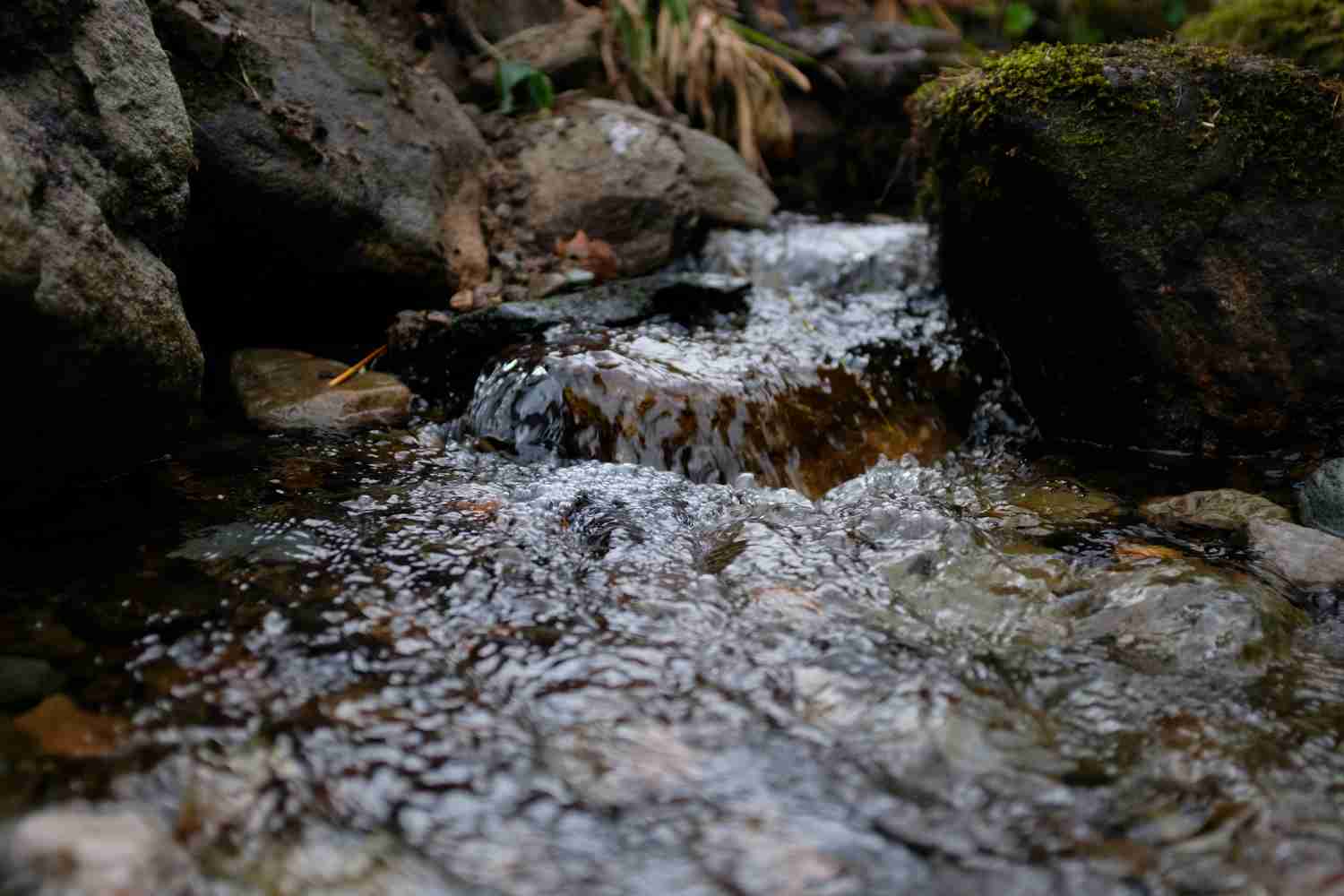
Designing Natural and Stimulating Habitats for Authentic Living A core principle of ethical zoo management is the meticulous creation of environments that closely and authentically resemble the animals’ natural habitats. Gone are the days of sterile cages; modern enclosures are scientifically designed to provide adequate space, natural vegetation, flowing water elements, and diverse terrain that reflect the species’ original home ecosystems.
These thoughtfully designed habitats are crucial because they encourage animals to express their innate natural behaviors—such as climbing, foraging for food, swimming, or roaming across large distances. By supporting both rigorous physical movement and constant mental stimulation, modern zoos help drastically reduce animal stress and promote a high level of overall well-being. This architectural shift in zoo design is not just for aesthetics; it is a vital part of maintaining the psychological health of the animals in human care.
A Global Commitment to Conservation and Public Education Ethical zoos actively participate in large-scale wildlife conservation efforts that reach far beyond their own walls. Many leading institutions support international breeding programs for endangered species, direct habitat restoration projects in the wild, and cutting-edge scientific research. These initiatives are often the last line of defense for species that face extinction due to climate change, poaching, or habitat loss.
Education is equally important in this mission. Through highly interactive exhibits, detailed educational signage, and guided expert programs, zoos inform millions of visitors annually about biodiversity, pressing environmental challenges, and the urgent importance of protecting wildlife. This dissemination of knowledge empowers people of all ages to contribute to conservation efforts in their own communities, creating a ripple effect of environmental protection that extends well beyond the zoo environment.
The Role of Enrichment and Behavioral Well-Being Animal enrichment programs play a vital and daily role in ethical animal care. These programs are not optional; they are a requirement to introduce activities and intellectual challenges that stimulate animals both mentally and physically.
- Puzzle Feeders: These require animals to solve problems to access their food, mimicking the challenge of hunting or foraging in the wild.
- Scent-Based Exploration: Introducing new smells into an enclosure keeps animals curious and engaged with their surroundings.
- Varied Routines: Frequent changes in feeding times and interactive objects ensure that animals do not fall into bored or repetitive behaviors.
Each enrichment strategy is carefully customized for the specific needs of each species, ensuring that every individual animal remains engaged, curious, and mentally sharp throughout their life.
Advanced Veterinary Care and Precision Nutrition The health and longevity of animals are top priorities in the modern ethical zoo framework. Every major institution employs qualified wildlife veterinarians who provide routine checkups, advanced preventative care, and specialized medical treatment using the latest technology.
- Customized Diets: Nutritional plans are carefully calibrated by experts to meet the specific biological needs of each species, supporting long-term health and preventing common diseases.
- Global Collaboration: Zoos also frequently collaborate with international research institutions to advance global animal healthcare practices and improve welfare standards for both captive and wild populations.
Conclusion: A Bridge to the Natural World In conclusion, ethical animal care in modern zoos is built on a foundation of high-quality habitats, constant enrichment, active conservation, transparent education, and world-class healthcare. By prioritizing these professional principles, zoos can successfully protect animal well-being while simultaneously inspiring visitors to appreciate and actively conserve our planet’s wildlife. Ethical zoos no longer just display animals; they serve as critical sanctuaries and educational hubs that foster a lifelong respect for nature, ensuring that the legacy of these incredible species continues for generations to come.