The history of human civilization is deeply and inextricably connected to the rise of ancient cities that shaped the very core of global culture, governance, trade, and technological innovation. These remarkable cities were not merely places of settlement for early humans; they served as vibrant centers of creativity, knowledge, and complex social development that redefined the human experience. Exploring the world’s oldest cities allows us to gain a profound understanding of how these early societies laid the essential foundation for modern life. From the fertile river valleys to the strategic coastal regions, ancient cities emerged where natural resources supported the birth of agriculture and international commerce. Over many centuries, these urban centers evolved into powerful civilizations whose lasting influence can still be seen today through their grand architecture, preserved written records, and enduring cultural traditions
The Cradle of Civilization: Mesopotamia’s Urban Revolution Mesopotamia, strategically located between the Tigris and Euphrates rivers, is widely regarded as the birthplace of urban civilization. The fertile land and constant access to water enabled early communities to master agriculture, leading to the formation of permanent, high-density cities. One of the earliest and most influential of these was Uruk, which flourished around 4000 BCE. Uruk played a pioneering role in the development of cuneiform writing, complex administration, and monumental construction. It became a global model for urban planning and centralized governance in the ancient world.
Another critical Mesopotamian city was Ur, famous for its massive and impressive ziggurat and its highly organized city layout. The archaeological remains of Ur reveal advanced engineering skills, deeply rooted religious traditions, and a structured social hierarchy that supported extensive trade and skilled craftsmanship. These cities proved that human cooperation could build structures and systems that would last for millennia.
Timeless Majesty: The Nile’s Gift to Ancient Egypt Ancient Egyptian civilization thrived along the banks of the Nile River, where predictable seasonal flooding provided the irrigation needed for mass agriculture and easy transportation. This natural advantage allowed small settlements to grow into powerful political and religious epicenters. Luxor, once known as Thebes, stands as one of Egypt’s most remarkable ancient cities. its towering temples, grand monuments, and royal tombs reflect the sophisticated spiritual beliefs and the unparalleled architectural mastery of the ancient Egyptians. The nearby Valley of the Kings preserves the sacred burial sites of powerful pharaohs, showcasing their wealth and obsession with the afterlife.
Memphis was another significant city, serving as Egypt’s capital during the Old Kingdom. Although much of its physical structure has disappeared over time, Memphis once played a crucial role in the kingdom’s administration and religion, influencing the development of Egyptian culture for centuries and serving as a gateway for trade between Upper and Lower Egypt.
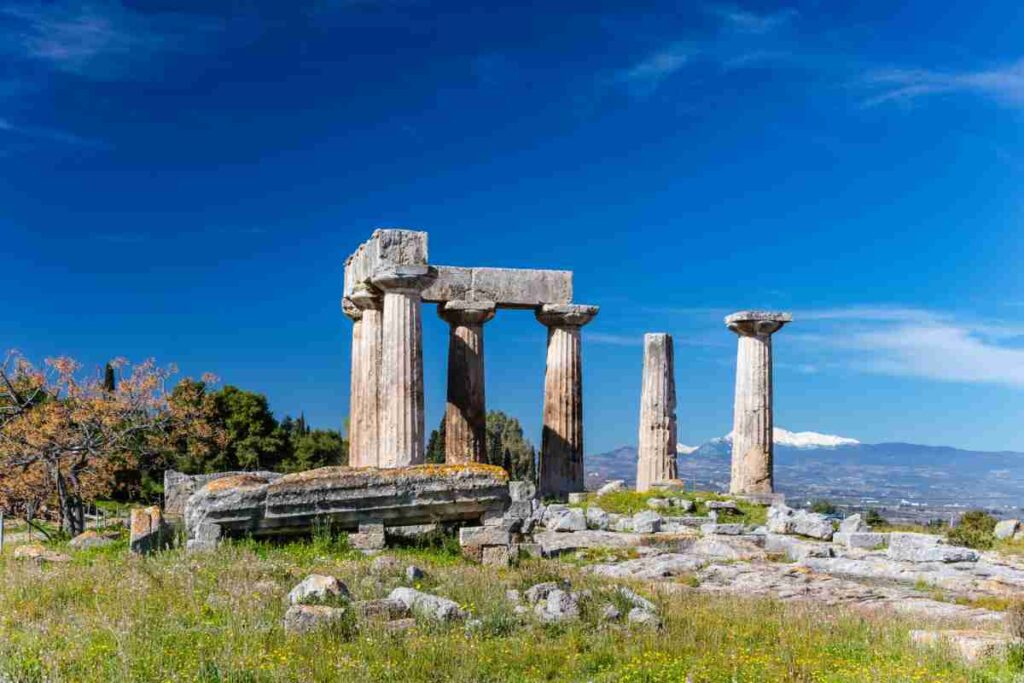
Ancient Greece: The Foundation of Western Thought Ancient Greece introduced revolutionary ideas that continue to shape modern democratic society, including philosophy, mathematics, and classical art. Greek cities, or “poleis,” were centers of intense learning, intellectual debate, and civic engagement. Athens stands as the ultimate symbol of Greek intellectual achievement. The Acropolis and the Parthenon demonstrate advanced architectural techniques and a deep connection to mythology. It was here that the concept of democracy first took root, changing the course of political history forever.
On the island of Crete, the city of Knossos offers unique insight into the earlier Minoan civilization. The city’s complex, labyrinth-like design and stunning artistic remains suggest a highly organized society with advanced urban planning and extensive maritime trade networks that connected the Mediterranean world.
Rome: Engineering a Global Empire Rome grew from a modest settlement into one of the most powerful and expansive empires in human history. Roman cities were designed with three main goals: efficiency, durability, and a vibrant public life. The Colosseum remains a testament to Roman engineering excellence and their social culture of public spectacle. Meanwhile, the Roman Forum served as the beating heart of political, economic, and religious life, where laws were made and the fate of nations was decided. These structures demonstrate how Rome successfully combined architectural innovation with central authority to build an empire that stretched across three continents.
Conclusion: The Legacy of Our Ancestors The world’s oldest cities provide a vital window into humanity’s earliest and most significant achievements. From the mud-bricks of Mesopotamia and the stone pyramids of Egypt to the marble columns of Greece and Rome, these ancient urban centers shaped the very foundations of modern civilization. By exploring their long and complex histories, we gain deep insight into human creativity, resilience, and unyielding ambition. These cities remind us that today’s world is built upon the collective knowledge and experiences of ancient societies, whose legacies continue to influence our daily lives, our laws, and our culture.