Adopting an indoor cat is a rewarding experience, but it comes with a unique set of professional responsibilities to ensure their well-being. While staying indoors protects cats from external dangers like traffic, predators, and infectious diseases, it can also lead to a sedentary lifestyle that lacks necessary mental and physical stimulation. A truly healthy indoor cat requires a carefully curated environment that caters to their natural instincts, balanced nutrition to prevent obesity, and consistent hygiene management. This comprehensive guide explores the essential pillars of feline indoor care, from advanced nutritional strategies to environmental enrichment. By understanding the subtle behavioral needs of your pet, you can transform your home into a thriving sanctuary where your feline companion enjoys a long, vibrant, and disease-free life.
1. Precision Nutrition and Metabolic Health for Indoor Felines Nutrition is the most critical factor in the longevity of an indoor cat. Because indoor cats do not roam or hunt across large territories, their metabolic rate is significantly lower than that of outdoor cats. This makes them highly susceptible to feline obesity, which can lead to secondary health issues like diabetes and joint pain. A professional approach involves selecting high-protein, low-carbohydrate diets that prioritize real meat over grain fillers.
It is essential to balance dry kibble with high-quality wet food. Wet food provides necessary moisture that supports kidney function, as many cats have a low thirst drive. Furthermore, consider the “small meal” philosophy; in the wild, cats eat multiple small catches throughout the day. Using timed feeders or portion-controlled meals rather than “free-feeding” helps maintain a healthy weight. Always ensure access to fresh, filtered water. Since cats are instinctively attracted to running water, using a circulating water fountain can significantly increase their daily hydration levels and prevent urinary tract crystals.
2. Cognitive Enrichment and Mimicking Natural Hunting Instincts A common misconception is that indoor cats are “lazy.” In reality, they are apex predators with a biological need to hunt. Without an outlet for this energy, cats can develop behavioral issues like over-grooming, anxiety, or destructive scratching. To solve this, you must implement daily “Play-Then-Eat” cycles. Use interactive toys like feather wands or localized laser pointers to mimic the erratic movement of prey.
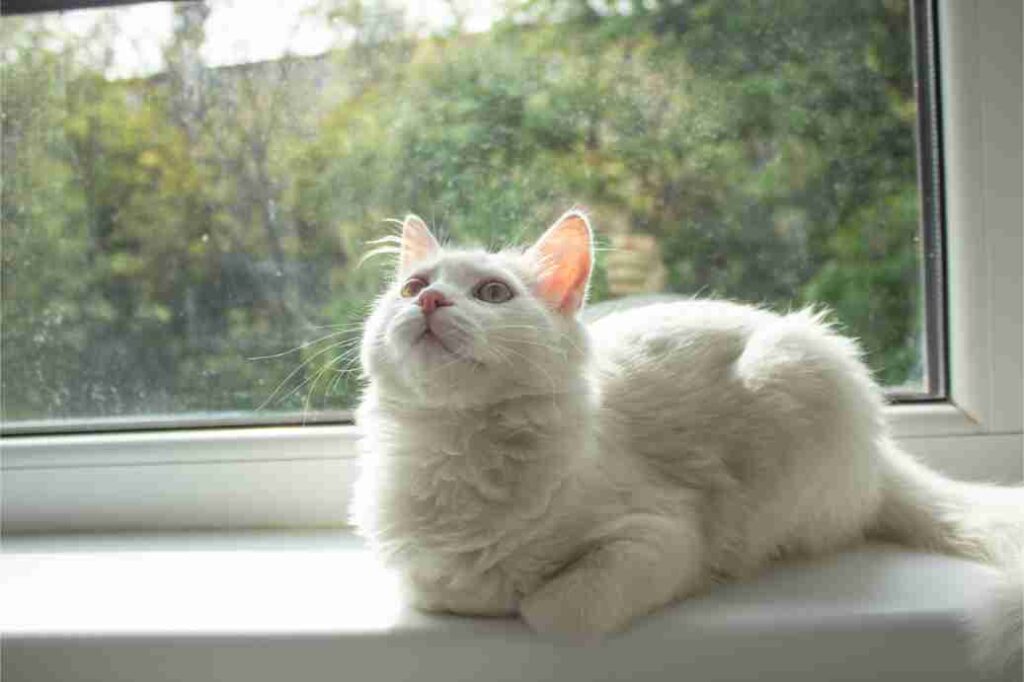
Professional environmental enrichment also includes vertical space. Cats feel safest when they can observe their territory from a height. Installing cat trees, wall-mounted perches, or window hammocks allows them to exercise their climbing muscles and provides mental stimulation by watching birds or outdoor activity (often called “Cat TV”). Providing “food puzzles” is another excellent way to engage their brains, forcing them to “work” for their treats just as they would in the wild, which reduces boredom and strengthens their cognitive health.
3. Advanced Litter Box Hygiene and Feline Behavioral Science Litter box management is often where many owners struggle, yet it is vital for a cat’s psychological comfort. Cats are fastidiously clean animals. A dirty litter box is not just a nuisance; it is a major source of stress for a cat. From a professional standpoint, you should follow the “N+1” rule: one litter box per cat, plus one extra. This prevents territorial disputes and ensures there is always a clean spot available.
Placement is equally important. Boxes should be kept in quiet, low-traffic areas where the cat won’t be startled. Avoid placing them near loud appliances like washing machines. Regarding the litter itself, many professional veterinarians recommend unscented clumping litter, as strong artificial scents can irritate a cat’s sensitive respiratory system. Regularly scooping twice a day and performing a full deep-clean once a month with unscented soap is necessary to prevent the buildup of bacteria and odors that might lead to “out-of-box” accidents.
4. Preventive Healthcare, Grooming, and Indoor Safety Even though your cat stays inside, they are not immune to health risks. Many parasites, such as fleas or heartworm-carrying mosquitoes, can easily enter a home. Furthermore, owners can inadvertently bring viruses home on their shoes or clothing. Therefore, keeping up with a professional vaccination schedule and routine deworming is mandatory.
Grooming is another pillar of health. While cats groom themselves, regular brushing by the owner reduces the amount of loose fur they ingest, significantly lowering the risk of dangerous hairballs. It also serves as a physical check-up where you can feel for any unusual lumps, bumps, or skin irritations. Dental care is often overlooked but essential; brushing your cat’s teeth or using dental treats can prevent periodontal disease, which is common in older indoor cats. Lastly, ensure your home is “cat-proofed” by removing toxic plants (like lilies) and securing loose wires to prevent accidental injury.
5. Scratching Instincts and Furniture Protection Scratching is a non-negotiable biological need for cats. It allows them to stretch their backs, shed old claw sheaths, and mark their territory with scent glands in their paws. To protect your furniture professionally, you must provide appropriate alternatives. High-quality sisal rope posts or heavy-duty cardboard scratchers are the best options.
The key is placement: place scratchers near the furniture the cat is currently targeting or near their sleeping areas, as cats love to stretch and scratch immediately after waking up. If a cat continues to scratch furniture, avoid punishment, as this only breeds fear. Instead, use double-sided tape on the furniture to make the texture unattractive while rewarding the cat with treats every time they use their designated scratching post. This positive reinforcement creates a harmonious household where the cat’s instincts are respected without sacrificing your interior design.