The Silk Road stands as one of the most significant and transformative networks in human history, acting as a bridge between the East and the West for centuries. Far more than just a simple path for transporting exotic goods like silk, spices, and precious metals, it was a vast, interconnected web of land and maritime routes that spanned thousands of miles across diverse terrains, from the bustling markets of Chang’an in China to the grand ports of Rome and Venice. This historical phenomenon facilitated a profound exchange of ideas, religions, technologies, and artistic traditions that forever altered the trajectory of civilizations across Asia, Europe, and Africa. To understand the roots of our modern globalized world, one must look back at how these ancient merchants, scholars, and explorers navigated treacherous deserts and towering mountain ranges to connect isolated societies. The legacy of the Silk Road is etched into the very fabric of our contemporary cultural identity, influencing everything from the food we eat to the languages we speak and the innovations we rely on daily. By exploring its origins and impact, we gain a deeper appreciation for the enduring human spirit of discovery and the vital importance of cross-cultural collaboration in shaping a shared global future.
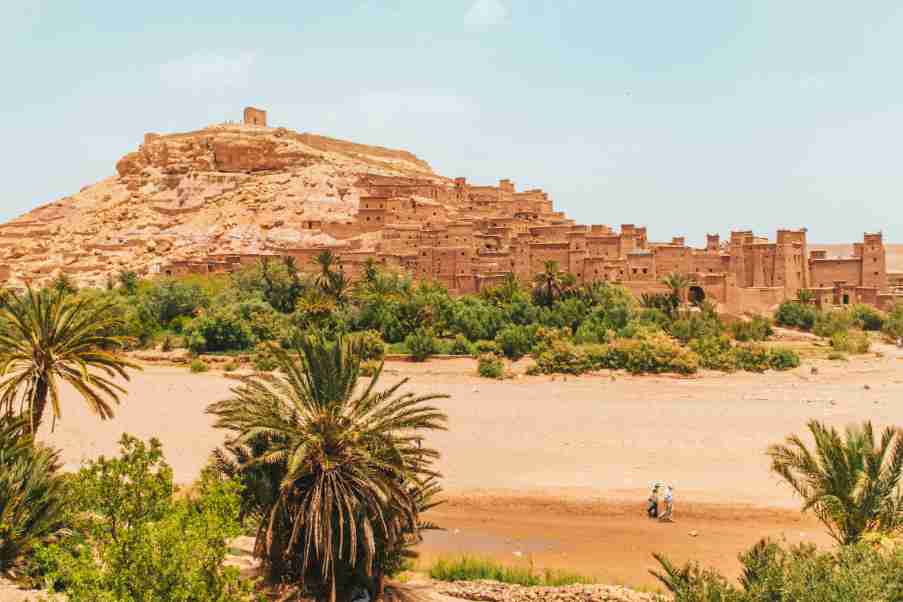
The Geographical Landscape of Connectivity The geography of the Silk Road was as varied as the cultures it connected. It was not a single road but a series of shifting paths determined by weather, political stability, and the availability of water. The northern route passed through the Eurasian Steppe, while the central routes crossed the formidable Taklamakan Desert—often called the “Land of Death”—and the high altitudes of the Pamir Mountains. These geographical challenges required immense resilience from traders. Oases like Samarkand and Bukhara became vital hubs, growing into centers of wealth and learning where travelers could rest and trade. The physical landscape dictated the pace of history; the need for water led to the development of sophisticated irrigation systems, while the vast distances encouraged the domestication of camels, the “ships of the desert.” This section of the world remains a testament to how human ingenuity can overcome natural barriers to foster international ties.
The Economic Engine of the Ancient World Economically, the Silk Road was the world’s first true “global” market. While China held a monopoly on silk production for centuries, the routes also carried paper, gunpowder, and porcelain westward. In return, the East received horses, glassware, wool, and grapes. However, the true value lay in the secondary markets. Small towns along the routes transformed into cosmopolitan cities as they taxed caravans and provided services. This early form of international trade gave birth to complex financial systems, including early forms of credit and banking, which allowed merchants to travel without carrying massive amounts of heavy coinage. The economic interdependence fostered by these routes meant that a political shift in the Han Dynasty could eventually be felt in the markets of the Mediterranean, illustrating an early version of the “butterfly effect” in global economics.
Cultural and Religious Diffusion Perhaps the most lasting impact of the Silk Road was not the goods, but the gods and ideas that traveled along with them. Buddhism spread from India to China and Japan via these routes, transforming Asian philosophy and architecture. Later, Islam traveled eastward, creating a unique synthesis of Persian, Turkic, and Arab cultures in Central Asia. Christianity and Manichaeism also found their way across the continent. This period was characterized by a rare level of religious pluralism, where different faiths coexisted in trading hubs. Art and music also blended; Greco-Buddhist art is a prime example, where Greek aesthetic styles were used to represent Buddhist figures. This melting pot of culture proved that diversity was a catalyst for innovation rather than a barrier.
Scientific and Technological Transfers The technological legacy of the Silk Road is often underestimated. The secret of papermaking, which originated in China, eventually reached the Islamic world and later Europe, sparking a revolution in literacy and administration. Similarly, the compass and gunpowder changed the face of navigation and warfare globally. Mathematical concepts, including the Hindu-Arabic numeral system, moved through these channels, laying the groundwork for the Renaissance in Europe. Medicine also saw great leaps as Persian physicians shared knowledge with Chinese herbalists. The Silk Road acted as a massive, slow-moving internet of the ancient world, where every traveler was a carrier of data that could spark a scientific breakthrough thousands of miles away.
Conclusion: Lessons for the 21st Century Today, the spirit of the Silk Road lives on in our digital and physical infrastructure. While the wooden ships and camel caravans have been replaced by fiber-optic cables and cargo planes, the fundamental principle remains the same: human progress is accelerated through connection. By studying the history of these routes, we see that isolationism often leads to stagnation, whereas openness leads to prosperity. The Silk Road reminds us that despite our geographical distances and cultural differences, we have always been a species defined by our desire to reach out, trade, and understand one another. As we navigate the complexities of modern geopolitics, the ancient Silk Road serves as a blueprint for a world where exchange is the primary driver of civilization.