Biotechnology has emerged as a cornerstone of modern scientific advancement, fundamentally altering how we perceive the biological world. By merging biological processes with cutting-edge technology, researchers are now capable of solving complex problems that were once deemed insurmountable. This field is not merely about laboratory experiments; it represents a profound shift in healthcare, environmental protection, and food security. From developing targeted molecular therapies to creating sustainable biofuels, the scope of biotechnology is vast and ever-expanding. As we delve deeper into the genetic blueprints of living organisms, the ability to engineer precise biological outcomes is becoming a reality. This technological evolution is paving the way for a future where disease prevention is personalized, and resource management is naturally optimized. Understanding these advancements is crucial for grasping how the next generation of scientific breakthroughs will shape our global society and the health of our planet.

The journey of biotechnology begins at the microscopic level, specifically within the complex structures of DNA and cellular machinery. Modern breakthroughs in genetic engineering have provided scientists with a versatile toolkit to modify organisms with unprecedented precision. This capability is the result of decades of research into how genetic sequences dictate the functions of living cells. By identifying specific markers within a genome, experts can now enhance desirable traits or suppress harmful ones without disrupting the entire biological system. This level of control is revolutionary, moving beyond traditional methods and entering an era of programmable biology where the building blocks of life are treated as sophisticated data sets.
In the realm of global health, the impact of these advancements is most visible. Molecular diagnostics have reached a point where pathogens can be identified in minutes rather than days, allowing for rapid response to emerging health threats. Beyond diagnostics, the development of synthetic biology has enabled the production of essential compounds, such as insulin and specialized enzymes, through microbial fermentation. This process is far more efficient and scalable than traditional extraction methods. Furthermore, the concept of regenerative medicine is no longer science fiction. The ability to stimulate cellular growth and repair damaged tissues through bio-scaffolding and specialized growth factors is transforming how chronic injuries and degenerative conditions are managed by medical professionals worldwide.
Environmental biotechnology is another critical frontier that addresses the sustainability challenges of the 21st century. Bioremediation, the use of specialized microorganisms to clean up contaminated soil and water, is proving to be a cost-effective and eco-friendly alternative to chemical treatments. These engineered microbes are designed to break down toxic pollutants, such as oil spills or heavy metals, into harmless byproducts. Additionally, the development of biodegradable plastics derived from biological sources is helping to reduce the global dependence on petroleum-based materials. This circular approach to technology ensures that the products we create do not leave a lasting negative footprint on the ecosystem, aligning industrial progress with ecological preservation.
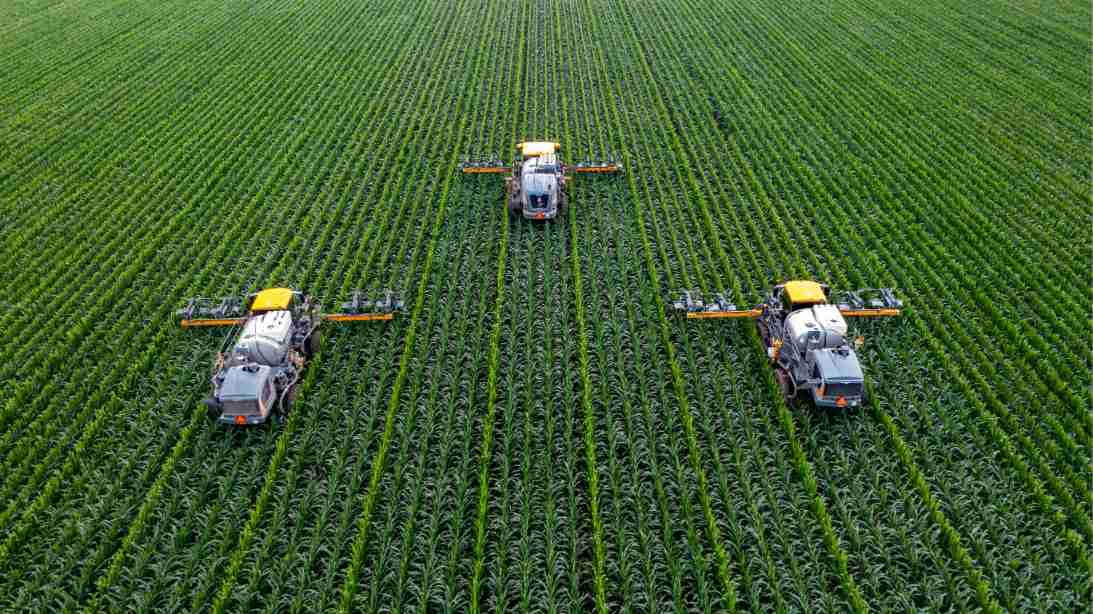
Agricultural productivity is also experiencing a significant transformation through bio-technological interventions. The creation of bio-fortified crops, which are engineered to contain higher levels of essential vitamins and minerals, is a key strategy in combating global malnutrition. Moreover, developing plants that are naturally resistant to pests and extreme weather conditions—such as prolonged droughts or high salinity—ensures a stable food supply in the face of a changing climate. These innovations reduce the need for harmful chemical pesticides and excessive water usage, promoting a more sustainable agricultural model. By optimizing the natural efficiency of plants, biotechnology is helping to feed a growing population while minimizing the strain on our natural resources and land.
Looking ahead, the convergence of biotechnology with data science and artificial intelligence is creating a new discipline often referred to as digital biology. By using powerful algorithms to analyze vast amounts of biological data, researchers can predict how certain genetic modifications will affect an organism before they even step into a laboratory. This predictive modeling accelerates the pace of discovery and reduces the margin of error in complex experiments. The future of this field lies in its ability to be integrated seamlessly into various industries, from manufacturing to energy production. As we continue to unlock the secrets of the biological world, biotechnology stands as a testament to human ingenuity, offering a path toward a more resilient, healthy, and sustainable existence for all living beings on Earth.