In the rapidly evolving landscape of the 21st century, the traditional boundaries of national interests are being reshaped by a growing awareness of our shared planetary responsibility. This shifting world-view is no longer a choice but a necessity as we face challenges that do not recognize political borders or cultural divides. From the depths of our oceans to the vastness of the atmosphere, the concept of “global commons” has moved to the forefront of international discourse. It requires us to look beyond immediate economic gains and consider the long-term viability of our global ecosystem. As we integrate more deeply through technology and commerce, our collective understanding of resource management must evolve to ensure equity and sustainability for all. This perspective invites a new era of cooperation, where the success of one nation is inherently tied to the well-being of the entire global community, fostering a sense of unity that transcends old rivalries and paves the way for a more resilient and harmonious future for everyone.

The transition from localized resource consumption to a systemic, global management strategy represents one of the most significant intellectual shifts in human history. To truly appreciate this “World-View,” we must examine the multifaceted layers of international cooperation, technological innovation, and ethical reconsiderations that define our current era. This analysis explores how we are moving away from exploitation toward a model of regenerative growth that benefits the global population as a whole.
The Redefinition of Geopolitical Power through Sustainability Historically, power was measured by territorial control and the possession of physical resources like coal, iron, or oil. However, in the modern world-view, power is increasingly being redefined by a nation’s ability to innovate and lead in the transition to sustainable energy. The shift toward renewable sources like solar, wind, and green hydrogen is not just an environmental mandate; it is a geopolitical revolution. Countries that lead in green technology are becoming the new anchors of global stability. This transition requires a massive overhaul of international trade agreements to ensure that the materials needed for this revolution, such as rare earth minerals, are extracted and traded ethically. A global world-view emphasizes that the “green race” should not leave developing nations behind, but rather provide them with the tools to leapfrog traditional industrialization stages and adopt clean energy from the start.
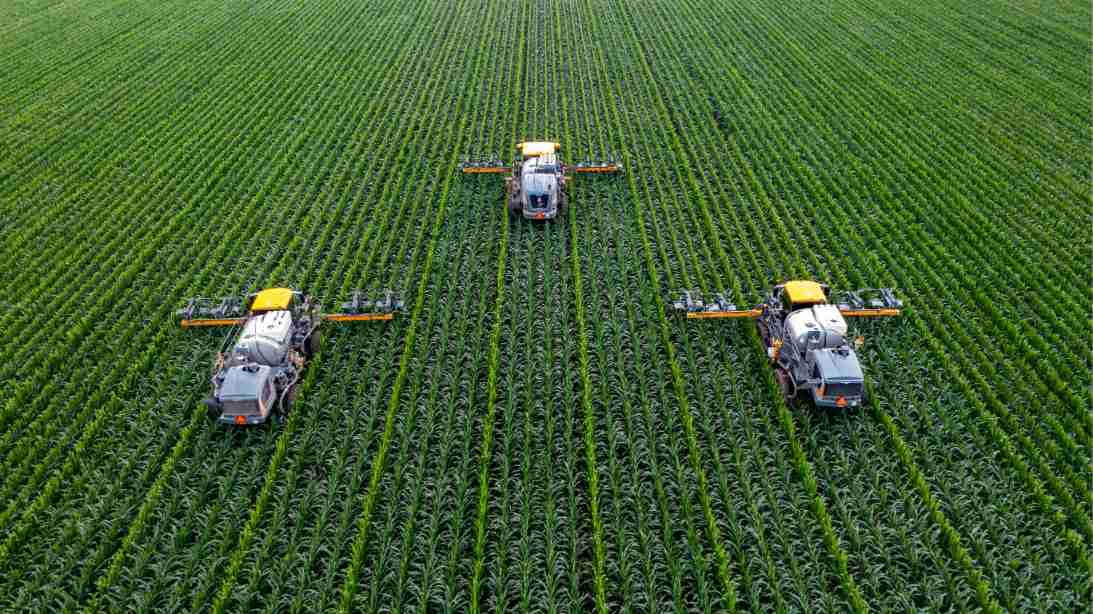
Digital Interconnectivity as a Catalyst for Shared Knowledge The role of digital platforms in shaping a unified world-view cannot be overstated. Today, scientific breakthroughs and sustainable practices discovered in one part of the world can be implemented globally within months. This open-source approach to problem-solving is the backbone of modern progress. For instance, agricultural innovations that save water in arid regions are being shared through digital cooperatives with farmers across different continents. This democratization of knowledge breaks down the barriers of intellectual property for the sake of the common good. A global perspective recognizes that information is the most valuable resource of our time, and its free flow is essential for addressing issues like food security and public health. When a scientist in a remote lab shares data with a global network, the entire world moves closer to a solution, proving that our collective intelligence is our greatest asset.
The Ethics of Global Consumption and Waste Management A critical component of a mature world-view is the recognition of our “waste footprint.” For decades, the global economy operated on a linear model: take, make, and dispose. This has led to immense environmental degradation, particularly in the oceans and soil. The emerging global consensus is shifting toward a “Circular Economy.” This model views waste as a resource out of place, aiming to design products that can be fully recycled or repurposed. Implementing this on a global scale requires a standardized set of regulations that hold multinational entities accountable for the entire lifecycle of their products. By aligning international standards for packaging and manufacturing, we can create a world where economic activity does not inevitably lead to environmental destruction. This ethical shift also involves a change in consumer behavior, where the value is placed on durability and sustainability rather than temporary convenience.
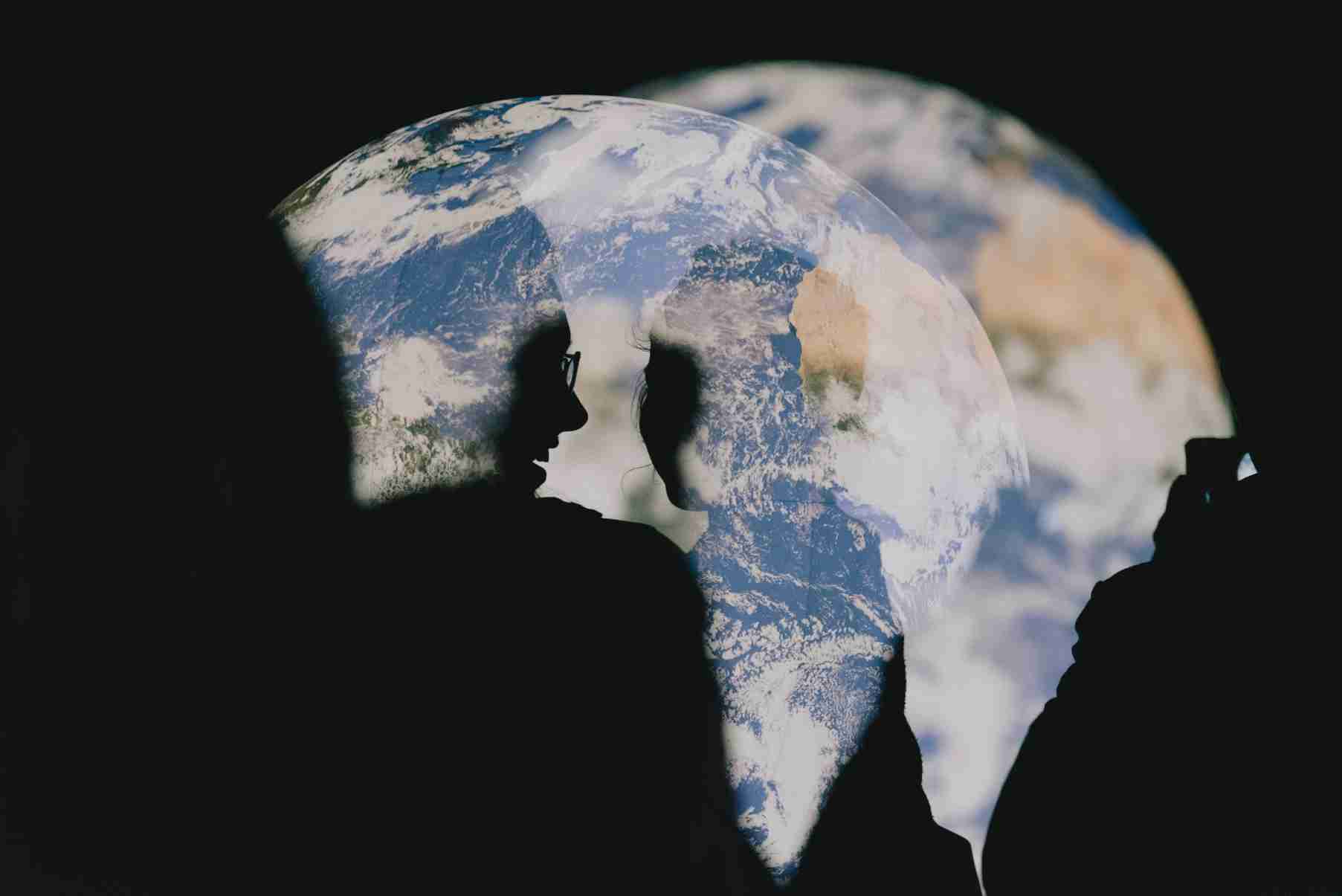
Space Diplomacy and the Frontier of the World-View As we look beyond our own planet, the world-view expands to include the governance of outer space. With more nations and private actors entering the cosmic arena, the need for a “Space Protocol” has become urgent. Just as we manage the oceans, we must manage the orbits of our planet to prevent debris from jeopardizing future exploration. This represents the ultimate test of global governance: can we collaborate on a frontier that belongs to no one? A forward-thinking perspective advocates for space to be treated as a heritage for all mankind, where scientific discovery takes precedence over military or commercial dominance. This cosmic outlook humbles our national differences, reminding us that from a distance, Earth is a fragile, singular home that requires our collective protection.
The Role of Cultural Diplomacy in a Borderless World Finally, we must consider the human element of this world-view. Cultural diplomacy serves as the emotional bridge that connects these technical and economic systems. In a world where people are more mobile than ever, the mixing of traditions and ideas creates a vibrant, global culture. This does not mean losing one’s identity; rather, it means expanding it to include an appreciation for others. By celebrating the diversity of human expression through global festivals, international media, and educational exchanges, we build the trust necessary for political and economic cooperation. A world-view that values empathy is far more resilient than one based solely on contracts and treaties. It creates a psychological safety net where global citizens feel a sense of belonging to a larger whole, ensuring that as we face the uncertainties of the future, we do so with a shared spirit of humanity and a common purpose to thrive in a peaceful, interconnected world.