Owning and caring for a horse is a profound commitment that merges the art of companionship with the rigorous science of large-animal husbandry. Unlike smaller domestic pets, horses are high-maintenance animals with complex physiological and psychological requirements that demand a professional level of dedication. From ensuring the structural integrity of their hooves to managing a digestive system designed for near-constant grazing, equine care is an intricate balance of routine and observation. A healthy horse is the result of a meticulously managed environment where nutritional precision, physical exercise, and emotional trust intersect. Whether you are keeping a horse for competitive sport, trail riding, or as a pasture companion, understanding the fundamental pillars of equine health is essential for preventing chronic illness and fostering a lifelong bond. This guide provides a deep dive into the professional standards of horse care, ensuring your equine partner thrives in a safe and enriched environment.
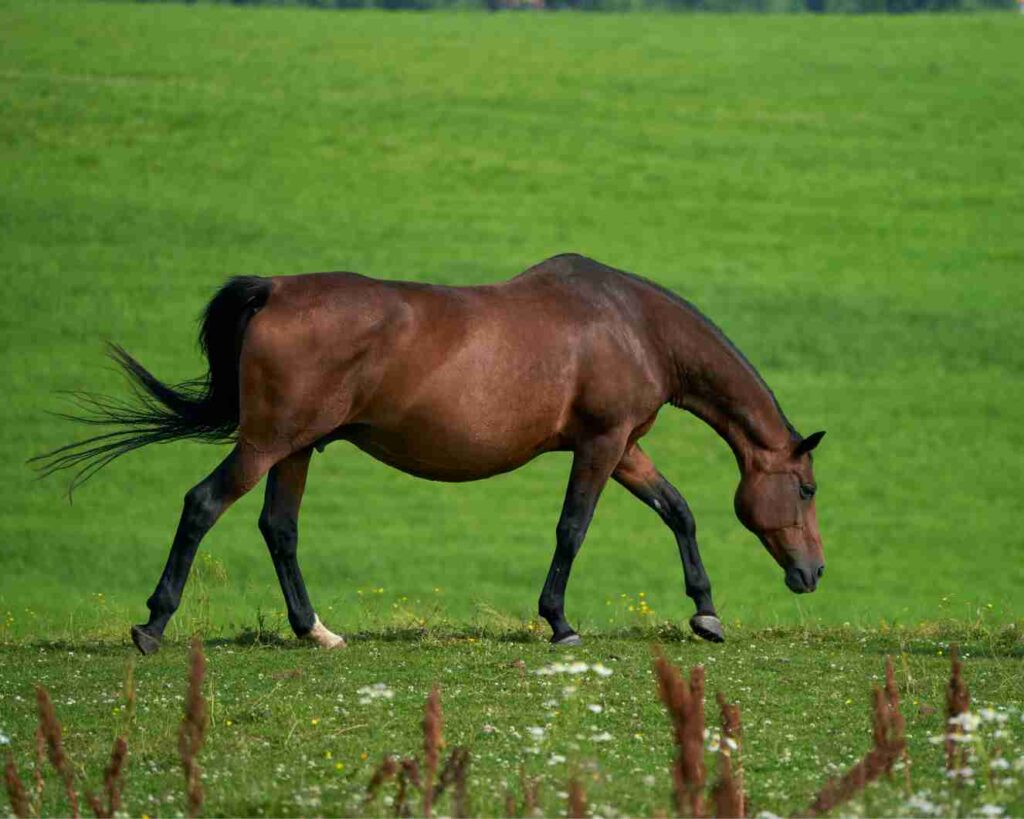
1. Precision Equine Nutrition: Balancing Forage and Concentrates The foundation of any professional equine management program is a scientifically balanced diet. Horses are “hindgut fermenters,” meaning their digestive systems are specifically designed to process large volumes of fibrous forage. In a professional setting, high-quality hay or pasture should constitute at least 1.5% to 2% of the horse’s body weight daily. This constant flow of fiber prevents gastric ulcers, a common and painful condition in stabled horses. However, forage alone often lacks the necessary minerals and vitamins required for high-performance or growing horses. This is where “concentrates” or ration balancers come into play. A professional feeding schedule involves small, frequent meals rather than one or two large ones, mimicking the horse’s natural grazing behavior. It is also vital to provide constant access to clean, fresh water and a salt block to maintain electrolyte balance. Any change in diet must be introduced gradually over 7 to 10 days to avoid “colic,” a severe digestive upset that can be fatal for horses.
2. Hoof Care and the Role of Professional Farriery There is an old saying in the equestrian world: “No hoof, no horse.” The structural health of a horse’s feet is the cornerstone of its overall well-being. A professional farrier should visit every 6 to 8 weeks to trim the hooves and, if necessary, apply shoes. Even horses that remain “barefoot” require regular professional trimming to prevent cracks, flares, and imbalances that can lead to lameness. Daily maintenance by the owner is equally important. Using a hoof pick to remove debris, stones, and packed manure prevents “thrush,” a bacterial infection of the frog. Monitoring the digital pulse and hoof temperature can also provide early warning signs of “laminitis,” a devastating inflammatory condition. A professional caretaker understands that hoof health is influenced by genetics, nutrition, and environmental moisture levels, requiring a holistic approach to prevent long-term unsoundness.
3. Stable Management and Environmental Hygiene The environment in which a horse lives significantly impacts its respiratory and hoof health. Whether kept in a stall or a paddock, hygiene is paramount. Stalls must be mucked daily to remove ammonia-soaked bedding, which can irritate a horse’s sensitive lungs and soften their hooves. High-quality, dust-free bedding such as kiln-dried wood shavings or straw provides a comfortable resting area. Proper ventilation is non-negotiable; a sealed barn with poor airflow leads to “heaves” (equine asthma). For horses kept outdoors, a three-sided “run-in” shed is necessary to provide protection from extreme sun, rain, and wind. Professional paddock management also involves regular manure removal to break the life cycle of internal parasites, reducing the reliance on chemical dewormers and preventing pasture degradation.
4. Equine Exercise, Biomechanics, and Mental Stimulation Horses are social, roaming animals that require significant physical activity to remain healthy. A professional exercise program is tailored to the horse’s age, breed, and fitness level. Consistency is key; sporadic, intense exercise can lead to soft tissue injuries. Beyond physical fitness, mental stimulation is vital for stabled horses to prevent “stable vices” like wind-sucking, weaving, or stall walking. These behaviors are often signs of stress or boredom. Providing “turnout” time with other horses allows them to socialize and move freely, which is essential for their psychological health. Using slow-feed hay nets or “field toys” can keep them occupied, while varied training sessions—incorporating ground work, lunging, and riding—ensure the horse remains attentive and responsive to communication.
5. Preventive Veterinary Care and Dental Health Professional equine care relies heavily on a proactive medical strategy. Annual vaccinations against diseases like Tetanus, West Nile Virus, and Rabies are essential. Furthermore, dental care is a frequently overlooked aspect of horse health. Unlike humans, a horse’s teeth grow continuously and can develop sharp “points” that cause painful sores on their cheeks and tongue. A professional equine dentist or veterinarian should “float” (file down) the teeth at least once a year. This ensures the horse can properly grind its food, preventing weight loss and “choke.” Additionally, a professional deworming schedule based on fecal egg counts ensures the horse remains free of internal parasites without creating chemical resistance. Early detection of subtle changes—such as a dull coat, slightly off-gait, or changes in appetite—can save a horse’s life.
6. Grooming as a Diagnostic Tool and Bonding Ritual Grooming is more than just making a horse look beautiful; it is a professional diagnostic ritual. A thorough daily grooming session allows the owner to check for heat, swelling, nicks, or skin conditions like “rain rot.” Using a curry comb stimulates blood circulation and natural oil production, leading to a shiny, healthy coat. It is also the primary time for bonding. Horses are incredibly sensitive to touch and energy; a calm, methodical grooming routine builds trust and allows the horse to relax. Paying close attention to sensitive areas like the girth and withers ensures the horse is comfortable before being saddled. Professional grooming reinforces the partnership between horse and human, creating a foundation of mutual respect.