In the rapidly evolving landscape of digital infrastructure, edge computing has surfaced as a transformative paradigm shift that challenges the traditional dominance of centralized cloud systems. While cloud computing relies on distant data centers to process information, edge computing brings computation and data storage closer to the actual source of data generation. This strategic relocation is not merely a technical adjustment; it is a fundamental necessity driven by the explosion of smart devices and the urgent requirement for instantaneous response times. As our world becomes increasingly interconnected through various sensors and automated systems, the ability to process data at the “edge” of the network significantly reduces latency and bandwidth consumption. This evolution is set to unlock the full potential of emerging technologies, providing a robust framework for innovations that require split-second decision-making. By decentralizing the digital workload, edge computing is paving the way for a more efficient, responsive, and scalable technological future that can keep pace with the demands of a hyper-connected society.

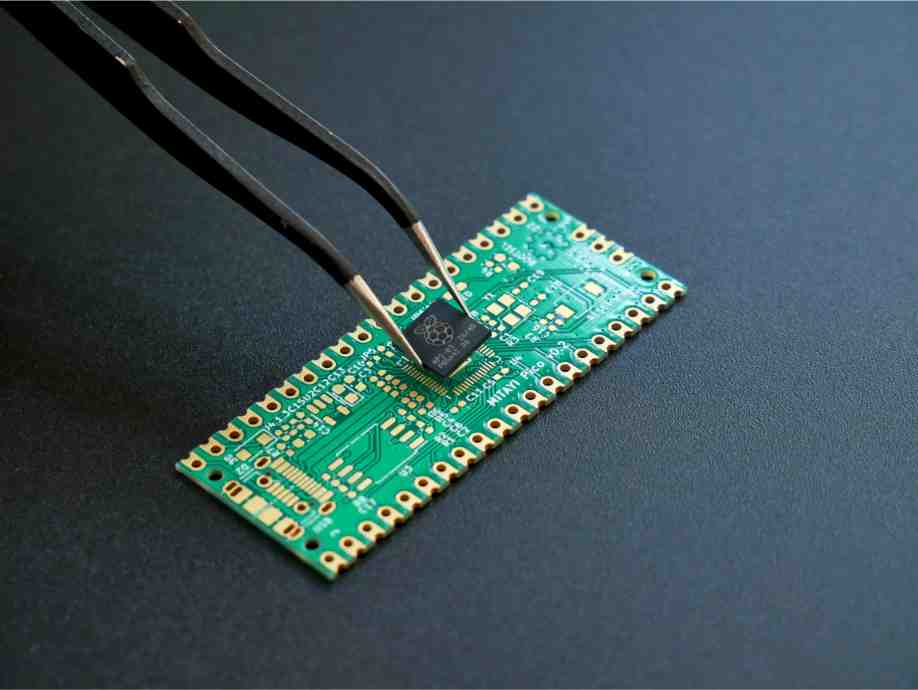
The core mechanics of edge computing revolve around the decentralization of processing power, moving away from the “hub-and-spoke” model of traditional networking. In a standard setup, every piece of data generated by a device must travel across the internet to a central server, be processed, and then sent back with a response. This journey, though measured in milliseconds, creates a bottleneck for applications where even a slight delay can be catastrophic. Edge computing solves this by deploying localized micro-data centers or utilizing the processing power already present within smart hardware. This localized approach ensures that data is filtered and analyzed on-site, with only the most essential information being transmitted to the cloud for long-term storage or deeper analysis. This synergy between local and global processing creates a streamlined ecosystem that maximizes hardware efficiency while minimizing network congestion.
One of the most profound impacts of this technology is seen in the development of autonomous systems and robotics. For a self-driving vehicle or an automated industrial drone, the ability to recognize obstacles and adjust course in real-time is a matter of safety and precision. Relying on a remote server for these calculations would introduce unacceptable lag. With edge computing, the vehicle’s onboard systems process environmental data locally, allowing for immediate reactions to changing conditions. Similarly, in the manufacturing sector, smart factories utilize edge nodes to monitor machinery health and production lines. These systems can detect minute vibrations or temperature fluctuations that indicate a pending equipment failure, triggering an automatic shutdown or maintenance alert before a costly breakdown occurs. This proactive approach to industrial management is drastically reducing downtime and increasing overall operational transparency.
The healthcare industry is also witnessing a significant transformation through the integration of edge-based architectures. Modern wearable devices and remote monitoring systems generate a continuous stream of biometric data, such as heart rate, glucose levels, and oxygen saturation. Processing this data at the edge allows for real-time health alerts that can save lives during critical medical events. For instance, an smart monitor could detect an irregular heart rhythm and immediately alert emergency services or the wearer’s physician without waiting for a cloud-based algorithm to verify the signal. Furthermore, edge computing addresses privacy concerns by keeping sensitive personal data local. By analyzing information on the device itself rather than sending it across public networks, the risk of data breaches is significantly mitigated, providing patients and providers with a more secure environment for digital health management.
Beyond industrial and medical applications, edge computing is the silent engine driving the next generation of consumer experiences. Augmented reality (AR) and virtual reality (VR) depend heavily on low-latency processing to maintain an immersive environment. If the digital overlay does not synchronize perfectly with a user’s head movements, it leads to motion sickness and a broken experience. By processing the rendering data closer to the user, edge computing ensures a fluid and responsive interface that feels natural. Additionally, as smart cities become a reality, edge nodes placed at traffic lights, utility meters, and public transit hubs will manage urban resources with extreme efficiency. These nodes can optimize traffic flow based on real-time congestion or adjust street lighting according to pedestrian presence, contributing to a more sustainable and livable urban environment.
As we look toward the future, the convergence of edge computing with advanced telecommunications networks will create a seamless fabric of connectivity. The ability to distribute intelligence across the entire network—from the smallest sensor to the largest data center—represents the ultimate maturation of the digital age. This distributed intelligence allows for a more resilient infrastructure that can function even when parts of the network are offline. While challenges such as hardware standardization and decentralized security remain, the trajectory is clear. Edge computing is not replacing the cloud; it is extending it, creating a multi-layered digital world where data is processed exactly where it makes the most sense. This balance of speed, security, and efficiency will be the foundation upon which the next decade of scientific and technological breakthroughs are built, forever changing how we interact with the machines that power our modern lives.