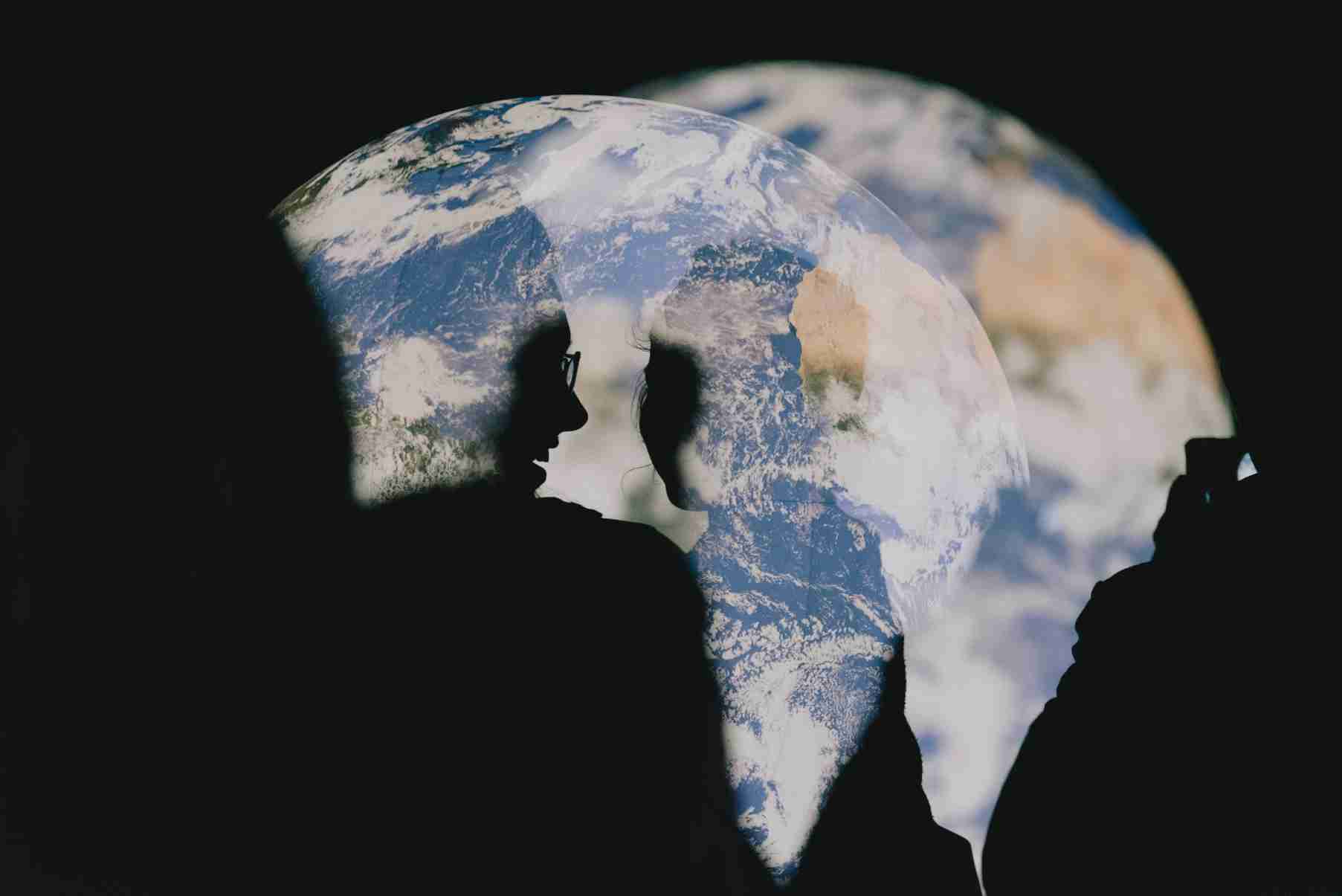
In an era where geopolitical landscapes are shifting with unprecedented speed, the development of a coherent global ethic has become the cornerstone of international stability. This evolving world-view transcends traditional diplomacy, focusing instead on the shared moral responsibilities that bind us as a single species inhabiting a finite planet. As we confront the challenges of the late 2020s, from the ethical implications of advanced automation to the urgent need for climate justice, our ability to synchronize our values determines our collective resilience. A global world-view is not about erasing cultural identity but about finding a common language of human rights and environmental stewardship. It requires a profound intellectual shift, moving from a mindset of competition to one of radical collaboration. By recognizing that our local actions have global echoes, we begin to build a framework for a more equitable future where every individual, regardless of their origin, can contribute to the progress of humanity. This introduction serves as a gateway to understanding how unified ethical standards can act as the ultimate safeguard against global fragmentation and conflict.

The journey toward a unified global ethic represents a fundamental evolution in human consciousness. To explore this “World-View” in depth, we must examine the intersection of technology, sociology, and the environment. This analysis delves into the structures that support global solidarity and the emerging norms that are shaping the way we interact across borders in this digital age.
The Rise of Universal Digital Citizenship One of the most transformative elements of the modern world-view is the emergence of digital citizenship. In previous decades, an individual’s influence was largely confined by their physical location. Today, the digital sphere has created a borderless forum where ideas can be tested and refined in real-time. This connectivity has given rise to a “global conscience,” where social issues in one part of the world can spark immediate solidarity movements thousands of miles away. However, this power comes with the responsibility of digital literacy. A mature global perspective involves the ability to discern truth from manipulation, ensuring that the digital commons remain a space for authentic human connection. As we integrate more deeply with decentralized networks, the concept of sovereignty is expanding to include the right to digital privacy and the equitable access to information. This shift is not just technical; it is a moral imperative that ensures no community is left in the “data shadows.”
Environmental Jurisprudence: A Shared Heritage A critical pillar of the contemporary world-view is the recognition that the Earth’s ecosystem is a shared heritage that requires international protection. The shift toward environmental jurisprudence—where the rights of nature are recognized in legal frameworks—is gaining momentum globally. This perspective acknowledges that the atmosphere, the oceans, and the biodiversity of the planet are not resources to be exploited for national gain, but assets that must be preserved for future generations. This requires a transition from a “take-make-waste” economic model to a circular economy that prioritizes restoration. International agreements are moving beyond mere carbon targets to encompass holistic ecosystem health. By valuing “natural capital” as much as financial capital, nations can align their economic goals with the long-term survival of the planet. This global alignment is essential for managing the migrations and resource shifts that climate change inevitably brings, fostering a spirit of proactive cooperation rather than reactive competition.
The Ethics of Emerging Technologies As artificial intelligence and biotechnology continue to advance, the world-view must encompass a global framework for technological ethics. These technologies do not stop at borders; their impact is universal. A unified approach ensures that innovation serves the common good rather than exacerbating existing inequalities. For instance, the global community is increasingly advocating for “Human-in-the-Loop” systems, where ethical human judgment remains the final arbiter in automated decisions. This international consensus prevents a “race to the bottom” in safety standards and ensures that technological progress aligns with human values. Moreover, the democratization of these tools allows developing nations to bypass traditional industrial hurdles, fostering a more balanced global power structure. By sharing the benefits of innovation while collectively managing its risks, we create a more stable and predictable international environment.
Cultural Synthesis and the Preservation of Diversity Contrary to the fear that globalization leads to cultural homogenization, a sophisticated world-view celebrates the synthesis of diverse traditions. In a truly connected world, the “clash of civilizations” is replaced by a “dialogue of cultures.” This involves the active preservation of indigenous wisdom and local languages, recognizing them as essential components of our collective human intelligence. When we combine ancient ecological knowledge with modern scientific methods, we find more robust solutions to modern problems. This cultural intelligence allows us to navigate the complexities of international relations with empathy and respect. It fosters a sense of “Global Belonging,” where individuals feel a responsibility to their nation and to the world simultaneously. This duality is the hallmark of a resilient society, capable of adapting to change while remaining rooted in its unique heritage.
The Future of Collaborative Governance Looking forward, the evolution of our world-view will necessitate new forms of collaborative governance. The traditional top-down models are being supplemented by decentralized, community-led initiatives that operate on a global scale. Whether it is through international city-networks or global professional guilds, the way we organize ourselves is becoming more fluid and responsive. This “Networked Governance” allows for faster crisis response and more inclusive decision-making. By empowering local communities to participate in global dialogues, we ensure that policies are grounded in reality rather than abstraction. The ultimate goal of this world-view is to create a system where peace is not just the absence of war, but the presence of active justice and opportunity for all. As we continue to refine our global ethics, we build the foundation for a civilization that is not only technologically advanced but morally profound, ensuring that the legacy we leave for the 22nd century is one of unity, sustainability, and shared human dignity.