Guinea pigs, also known as cavies, are charming and expressive rodents that require a much higher level of specialized care than many first-time owners realize. Unlike other small mammals, guinea pigs have unique biological requirements, most notably their inability to synthesize their own Vitamin C, which makes their dietary management a matter of professional precision. They are also highly social herd animals that experience significant psychological distress when kept in isolation. Providing a proper habitat for a guinea pig involves more than just a cage; it requires an expansive environment that facilitates constant movement and natural foraging behaviors. A healthy guinea pig is one that is mentally stimulated, socially bonded, and fed a diet that replicates their natural grazing habits. This guide explores the essential components of professional guinea pig husbandry, focusing on the critical balance of nutrition, the necessity of large-scale housing, and the nuances of their social structures to ensure a thriving and long-lived companion.
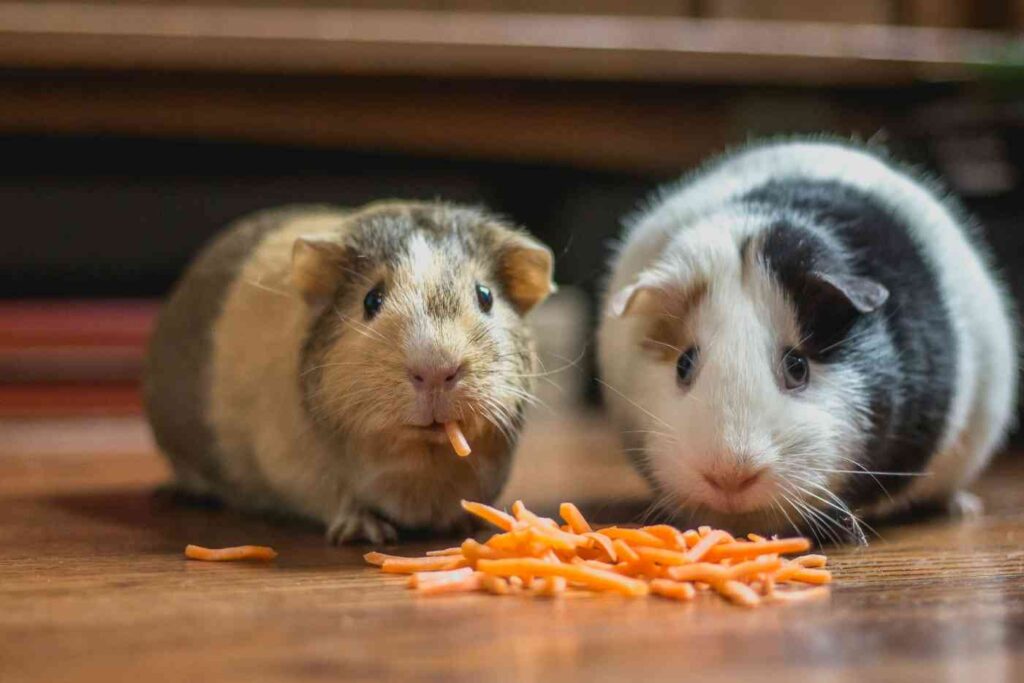
Essential Dietary Management and the Vitamin C Requirement The cornerstone of guinea pig health is a diet that focuses on constant fiber intake and essential supplementation. Because guinea pigs are herbivores, their digestive systems must remain in constant motion. High-quality grass hay, such as Timothy or Orchard hay, should make up the vast majority of their daily intake. This fiber is not only necessary for gastrointestinal motility but also for grinding down their open-rooted teeth, which grow throughout their entire lives. A professional diet must also address their unique need for Vitamin C. Without adequate daily intake, guinea pigs can quickly develop scurvy, which leads to joint pain, internal bleeding, and a weakened immune system. Fresh vegetables like bell peppers, parsley, and kale are excellent natural sources of this vitamin. While high-quality pellets fortified with Vitamin C are a helpful supplement, they should be limited to small portions to prevent obesity. It is also vital to avoid using Vitamin C drops in water bottles, as the vitamin degrades rapidly in light and can alter the taste of the water, potentially leading to dehydration.
Optimal Habitat Design and the Importance of Horizontal Space Guinea pigs are built for roaming and foraging rather than climbing. Therefore, their habitat must prioritize large, flat horizontal floor space. Professionally, a pair of guinea pigs requires a minimum of ten to twelve square feet of unbroken space to prevent territorial disputes and encourage exercise. Most commercial cages sold in pet stores are significantly undersized and can lead to muscle atrophy and obesity. Many professional keepers prefer C&C (cubes and coroplast) cages, which allow for customizable, large-scale layouts. The substrate or bedding used in the habitat must be highly absorbent and soft on their sensitive feet. Fleece liners have become a professional standard because they are reusable, dust-free, and prevent “bumblefoot,” a painful inflammatory condition caused by rough or damp surfaces. The environment should be spot-cleaned daily to manage ammonia levels, as guinea pigs have very sensitive respiratory systems that are easily irritated by soiled bedding.
Social Integration and Herd Psychology One of the most critical aspects of guinea pig welfare is their need for companionship. In the wild, they live in large social groups, and this instinct remains strong in domestic cavies. Keeping a guinea pig alone is often considered inhumane by professional standards, as it leads to depression, lethargy, and a shorter lifespan. They communicate through a complex language of “wheeks,” “purrs,” and “rumblestrutts,” which can only be fully expressed when living with their own kind. When introducing a new guinea pig, the process must be handled with care on neutral territory to ensure compatibility. Once a bond is formed, guinea pigs will often sleep near each other and forage together, providing a level of emotional security that a human owner cannot replicate. For owners who cannot house multiple animals, significant daily interaction is required, but even then, a human is no substitute for a fellow cavy.
Environmental Enrichment and Natural Foraging Behaviors Mental stimulation is vital for preventing boredom-related stress in small rodents. Guinea pigs are naturally cautious and feel most secure when they have multiple places to hide. A professional habitat should include several “hidey-houses” or tunnels made of natural materials like wood or seagrass. Foraging enrichment is another excellent way to keep their minds active. Instead of placing all their food in a bowl, hide pieces of vegetables inside cardboard tubes or under piles of hay. This encourages them to use their keen sense of smell and keeps them physically active. Tunnels are especially important as they provide a safe way for the guinea pig to move across open spaces. Providing safe items to chew on, such as applewood sticks or willow balls, is also essential for their dental health and cognitive engagement. A bored guinea pig may become withdrawn, so rotating their toys and changing the layout of their enclosure during deep cleans can provide a fresh sense of exploration.
Grooming Requirements and Health Monitoring Protocols Maintaining a guinea pig’s physical health requires a consistent grooming and monitoring routine. Long-haired breeds, such as Peruvians or Abyssinians, require daily brushing to prevent painful matting and skin infections. Even short-haired varieties benefit from regular grooming to remove loose fur and check for external parasites like mites or lice. Nail trimming is another mandatory task, as overgrown nails can curl into the footpad and cause infections. Because guinea pigs are prey animals, they are experts at concealing illness until it becomes a crisis. A professional caretaker should perform weekly “health checks,” which involve weighing the animal and checking their eyes, nose, and ears for any discharge. Sudden weight loss is often the first indicator of a serious health problem, such as dental disease or an internal infection. Establishing a relationship with an exotic animal vet who is experienced in treating “exotics” is a vital part of responsible ownership.
Temperature Sensitivity and Respiratory Safety Guinea pigs are extremely sensitive to temperature fluctuations and do not sweat, making them highly susceptible to heatstroke. Their environment should be kept in a stable temperature range between 18°C and 24°C. They should never be kept in direct sunlight, near a radiator, or in a drafty area. Their respiratory systems are also incredibly fragile. Using scented litters, strong household cleaning chemicals, or scented candles in the same room can lead to upper respiratory infections, which can be fatal if not treated immediately with antibiotics. Professional care involves using unscented, pet-safe cleaning solutions and ensuring that the hay provided is high-quality and free of dust or mold. By controlling these environmental factors, you can prevent the most common health complications and ensure that your guinea pig lives a comfortable and stress-free life.