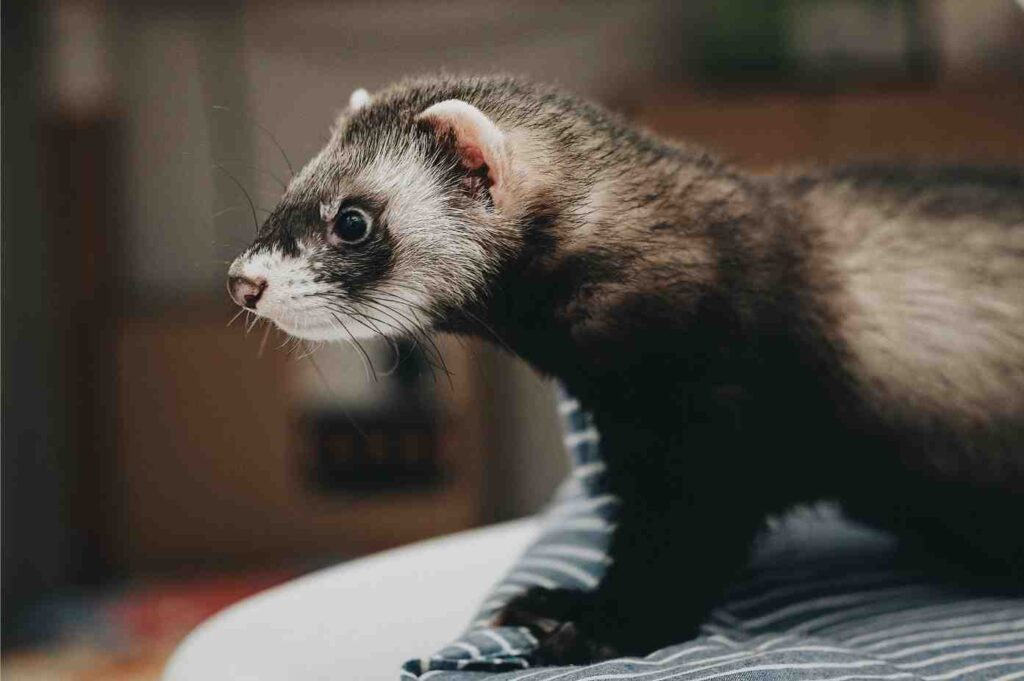
Ferrets are incredibly energetic, intelligent, and inquisitive animals that occupy a unique niche in the world of domestic pets. Belonging to the mustelid family, they are not rodents but are closer in lineage to weasels and otters, requiring a highly specialized level of professional care. Providing a safe and healthy environment for a ferret involves more than just a cage; it requires “ferret-proofing” entire rooms and understanding their complex biological systems. As obligate carnivores with an extremely fast metabolism, their dietary needs are precise, and their social nature demands significant daily interaction. A well-cared-for ferret is a source of endless entertainment and companionship, but maintaining their health requires a dedicated commitment to hygiene, nutrition, and mental stimulation. This guide explores the essential pillars of professional ferret husbandry, ensuring these spirited animals thrive in a domestic setting that respects their natural instincts and physiological requirements.
Understanding the Metabolic Demands of an Obligate Carnivore The most critical aspect of professional ferret care is their highly specialized diet. Ferrets are strict obligate carnivores, meaning their bodies are biologically designed to process only animal proteins and fats. Their digestive tracts are incredibly short, and food passes through their system in just three to four hours. Because of this rapid transit time, they require frequent meals high in caloric density. A professional ferret diet must prioritize high-quality animal protein (at least 35-40%) and high fat (15-20%), with minimal to no fiber or carbohydrates. Sugars and plant-based proteins are extremely dangerous for ferrets and are a leading cause of insulinoma, a common and life-threatening pancreatic disease. Professional keepers often use a combination of high-grade ferret-specific kibble and raw or freeze-dried meat diets. Access to fresh, clean water is mandatory at all times, preferably through a heavy bowl rather than a drip bottle, to ensure they can stay properly hydrated given their high metabolic rate.
Advanced Habitat Design and the Necessity of Ferret-Proofing While ferrets need a secure, multi-level cage for sleeping and safety, they cannot be confined to a cage twenty-four hours a day. Professionally managed ferrets require at least four to six hours of out-of-cage exercise in a “ferret-proofed” environment. Ferrets are notorious for their ability to squeeze into impossibly small spaces, such as behind appliances, inside reclining furniture, or under cabinets. Ferret-proofing involves sealing every gap larger than an inch, removing toxic plants, and ensuring no foam or rubber objects are reachable, as ferrets love to chew on these materials, which can lead to fatal intestinal blockages. Inside the cage, soft bedding like fleece blankets or hammocks is preferred over wood shavings. Ferrets love to sleep in dark, enclosed spaces, so providing multiple “sleep sacks” and hanging tunnels is essential for their comfort and security.
Social Dynamics and Cognitive Enrichment Strategies Ferrets are intensely social animals that thrive in groups, often referred to as a “business.” Keeping a solitary ferret is possible but requires the owner to become their primary social partner, providing hours of daily interactive play. In a professional setup, ferrets are usually kept in pairs or small groups, which allows them to engage in natural social behaviors like grooming, wrestling, and sleeping in communal “cuddle piles.” Cognitive enrichment is vital for preventing boredom and destructive behavior. Ferrets are natural burrowers and explorers; providing “dig boxes” filled with long-grain rice or dried beans (never soil or sand) allows them to exercise these instincts safely. Rotating toys such as crinkle tunnels, hard plastic balls, and foraging puzzles keeps their sharp minds engaged. A bored ferret will often become lethargic or develop obsessive-compulsive behaviors, so a constantly evolving environment is key to their mental well-being.
Hygiene Standards and Specialized Grooming Protocols Maintaining a professional level of hygiene is essential for both the ferret’s health and the owner’s comfort. Ferrets have natural scent glands that produce a musky odor, which is often managed through regular cleaning of their bedding and litter boxes. Most ferrets can be easily litter-trained, as they instinctively prefer to go in corners. Using a high-back litter box with paper-based litter is the professional standard; clay or clumping litters should be avoided as they can get stuck in the ferret’s nose or paws. Regarding grooming, ferrets should rarely be bathed, as water strips the natural oils from their skin, causing the scent glands to overcompensate and produce a stronger odor. Regular nail trimming every two weeks and cleaning their ears to prevent ear mites are much more important tasks. Dental care is also a pillar of health, as ferrets are prone to tartar buildup; offering raw meaty bones or using a ferret-safe toothbrush helps prevent periodontal disease.
Preventive Medical Care and Recognizing Mustelid Illness Ferrets are prone to several unique health conditions that require proactive veterinary intervention. Beyond standard vaccinations for Rabies and Canine Distemper, professional care involves monitoring for signs of Adrenal Disease and Insulinoma, which are prevalent in the domestic ferret population. A professional caretaker must be vigilant for subtle changes in behavior, such as “staring into space,” hind-limb weakness, or symmetrical hair loss on the tail or body. Because ferrets have such a high pain tolerance, they often hide illness until it is advanced. Annual or bi-annual wellness exams with an exotic animal veterinarian who specializes in mustelids are necessary for early detection. Maintaining a “health log” of the ferret’s weight and activity levels can provide invaluable data for a veterinarian during a checkup.
Sleep Cycles and Photoperiod Management A frequently overlooked aspect of professional ferret husbandry is the management of their sleep environment and light exposure. Ferrets require 12 to 15 hours of total darkness to regulate their melatonin production. Constant exposure to artificial light can disrupt their endocrine system, which is believed to be a contributing factor to the high incidence of adrenal disease in domestic ferrets. Providing a “blackout” environment or ensuring their cage is covered in a quiet, dark room at night is a critical preventive measure. Despite their deep sleep cycles, ferrets are crepuscular, meaning they are most active during dawn and dusk. Understanding and respecting these natural rhythms ensures the ferret remains healthy, energetic, and hormonally balanced throughout its life.