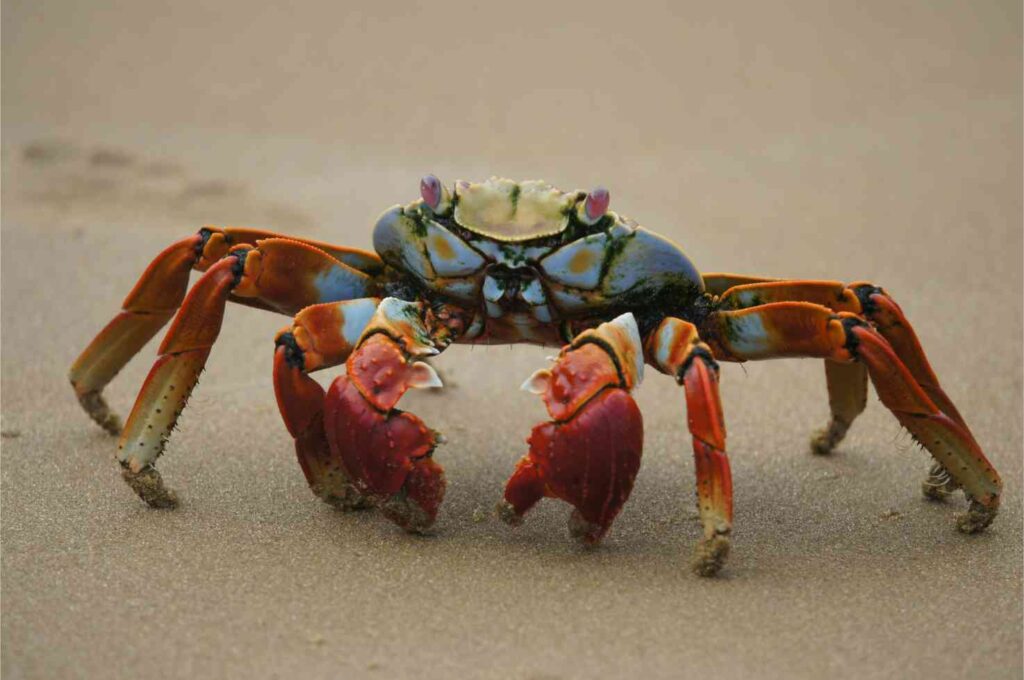
Land hermit crabs are often mistakenly sold as “disposable” or “low-maintenance” pets, but in reality, they are complex, long-lived tropical crustaceans that require a professional-grade controlled environment to survive. Unlike most common household pets, hermit crabs breathe through modified gills that must remain moist, making humidity management a matter of life or death. They are also highly social animals that thrive in colonies and require a sophisticated habitat that allows for both climbing and deep subterranean molting. Providing a safe haven for these unique creatures involves a deep understanding of coastal ecology, including the precise calibration of salinity, substrate moisture, and thermal gradients. A well-cared-for hermit crab can live for over twenty years, but this longevity depends entirely on a dedicated commitment to maintaining a stable micro-climate that replicates their natural tropical shoreline habitats.
The Science of Humidity and Modified Branchial Respiration The most critical technical requirement for land hermit crabs is the maintenance of high atmospheric humidity. Because these crabs utilize modified gills to breathe, they can only extract oxygen from air that is sufficiently saturated with moisture. Professionally, the relative humidity inside the enclosure, often called a “crabitat,” must be consistently maintained between 75% and 85%. If the air becomes too dry, the crabs’ gills will slowly dry out, leading to a painful and slow suffocation. A professional setup utilizes a glass terrarium with a sealed or mostly sealed lid to trap moisture. Misting the enclosure daily is often insufficient; instead, using deep, damp substrate and large water pools provides a more stable humidity source. Using a digital hygrometer is mandatory for accurate monitoring, as analog gauges are frequently inaccurate in high-moisture environments.
Substrate Depth and the Biological Process of Molting Molting is the most vulnerable period in a hermit crab’s life, as they must shed their exoskeleton to grow. For a successful molt, a professional habitat must provide a substrate that is at least six inches deep, or three times the height of the largest crab. The substrate should be a specific “sand-castle consistency” mix of five parts play sand to one part coconut fiber (eco-earth). This ratio allows the crab to tunnel deep underground without the burrows collapsing on them. When a crab is molting, it remains underground for weeks or even months and should never be dug up or disturbed. Disturbing a molting crab can lead to fatal stress or physical damage to their soft, new exoskeleton. A professional keeper understands that the substrate is not just flooring; it is a vital biological component of the crab’s life cycle that must remain clean and properly hydrated.
Dual Water Source Management and Salinity Precision Hermit crabs require constant access to two distinct types of water: fresh water and salt water. Both pools must be deep enough for the largest crab to completely submerge in, as they need to fill their shells with water to keep their abdomen moist and regulate their internal salinity. The fresh water must be treated with a professional-grade dechlorinator to remove harmful chlorine and heavy metals. The salt water must be created using a specialized marine salt mix designed for reef tanks, not standard table salt or “hermit crab salt” which often lacks essential minerals. This salinity is crucial for their osmotic balance and successful molting. Each pool should be equipped with “ladders” or textured ramps to ensure the crabs can safely exit the water without drowning.
Nutritional Biodiversity and Calcium Supplementation Land hermit crabs are omnivorous scavengers that require a vast and diverse diet to maintain their health. Commercial “crab pellets” are often inadequate and contain harmful preservatives or copper sulfate. A professional feeding routine focuses on fresh, organic foods including proteins like dried shrimp, mealworms, and unseasoned eggs. They also require a variety of fruits and vegetables such as coconut, mango, seaweed, and leafy greens. Calcium is perhaps the most vital mineral for crustacean health, as it is needed to harden their new exoskeleton after a molt. Professional keepers provide constant access to calcium sources like crushed eggshells, cuttlebone, or oyster shells. Because crabs are nocturnal and sensitive to smell, feeding should occur in the evening, and any uneaten fresh food should be removed in the morning to prevent mold growth.
Shell Selection and the Necessity of Natural Gastropod Variety The shell of a hermit crab is not just a home; it is a portable life-support system that protects their soft, vulnerable abdomen and holds water. As hermit crabs grow, they must find larger shells to move into. A professional habitat should provide at least three to five extra shells per crab in varying sizes. These shells must be natural gastropod shells, such as Turbo shells, which have the appropriate internal volume and weight. Painted or decorated shells sold in many retail stores are strictly prohibited in professional care because the paint is often toxic and can chip off, harming the crab. It is also common for crabs to “shell fight” if there is a shortage of high-quality options, so providing an abundance of clean, natural shells is essential for maintaining peace within the colony.
Environmental Enrichment and Social Colony Dynamics In the wild, hermit crabs are highly social and are often found in groups of hundreds. In a domestic setting, they should never be kept alone, as isolation leads to lethargy and “shell evacuation” due to stress. A colony of at least three crabs is recommended to allow for natural social behaviors. Their environment should also include significant “verticality” for exercise. Hermit crabs are avid climbers and spend much of their active hours exploring. Using cholla wood, cork bark, and hemp nets provides them with the physical stimulation they need. This vertical enrichment also helps them find different temperature zones within the tank, as a professional setup includes a thermal gradient with a warm side maintained by an under-tank heater (mounted on the side) and a cooler side for resting.