The Sahara Desert, stretching across the entire width of Northern Africa, stands as the largest hot desert on Earth and one of the most imposing geographical features on our planet. Spanning over 3.6 million square miles, this colossal expanse of sand, rock, and wind encompasses an area nearly as large as the United States or China, drastically shaping the climate, migration patterns, and history of the African continent. For most people, the Sahara conjures images of endless, barren sand dunes baking under a merciless sun, completely devoid of water and life. However, modern physical geography and archaeological research reveal that the Sahara is not a static wasteland, but a highly dynamic environment with a surprising variety of landforms, from towering volcanic peaks to deep, hidden oases. More fascinatingly, Earth’s geological history shows that this hyper-arid desert was once a lush, green paradise filled with flowing rivers, vast lakes, and diverse wildlife just a few thousand years ago. Exploring the complex geography and the ancient past of the Sahara allows us to understand the profound cycles of global climate change and how human societies have adapted, survived, and built trade empires at the crossroads of one of the most extreme environments in human history.
The Varied Landscape Beyond the Sand Dunes One of the most common geographical misconceptions about the Sahara is that it is made entirely of sand. In reality, sand dunes—known scientifically as ‘ergs’—make up only about 25% of the entire desert. The vast majority of the Sahara consists of ‘hamadas’, which are elevated, rocky plateaus, and ‘regs’, which are vast plains covered in pebbles and gravel. The topography is also surprisingly vertical. The Tibesti Mountains in northern Chad and the Ahaggar Mountains in southern Algeria feature volcanic peaks that rise over 10,000 feet into the air, where temperatures can drop below freezing and snow occasionally falls. This diverse geography creates distinct microclimates. The desert is also dotted with oases—places where underground aquifers naturally breach the surface, creating lush pockets of vegetation and palm groves that have served as the lifelines for human settlements and weary travelers for thousands of years.
The Green Sahara: A Forgotten Prehistoric Paradise Geological and archaeological evidence shows that between 11,000 and 5,000 years ago, a period known as the African Humid Period transformed the Sahara into a vibrant savanna. Due to a slight wobble in the Earth’s orbit, the West African monsoon shifted northward, bringing heavy rainfall to the region. The Sahara was covered in lush grasslands, oak and cedar forests, and massive river networks. The most incredible proof of this green past is found in the Tassili n’Ajjer plateau in Algeria, where thousands of prehistoric rock arts depict elephants, giraffes, crocodiles, and human hunters swimming in lakes. This ancient geography allowed human populations to migrate and thrive across North Africa, herding cattle and establishing early fishing communities long before the region dried up into the arid landscape we see today.
The Power of the Saharan Winds and Global Geography The Sahara plays a massive, unexpected role in the global ecosystem through its atmospheric geography. The desert is home to some of the strongest wind systems on Earth, which generate massive dust storms. Every year, millions of tons of nutrient-rich Saharan dust are lifted high into the atmosphere and carried thousands of miles across the Atlantic Ocean by trade winds. This dust acts as a vital fertilizer for the Amazon Rainforest in South America, providing essential minerals like phosphorus that the rain-leached jungle soils desperately need. Furthermore, the heat generated over the Sahara influences hurricane formation in the Atlantic, showing that the geography of a desert in Africa is deeply connected to the weather patterns and ecological health of the Americas.
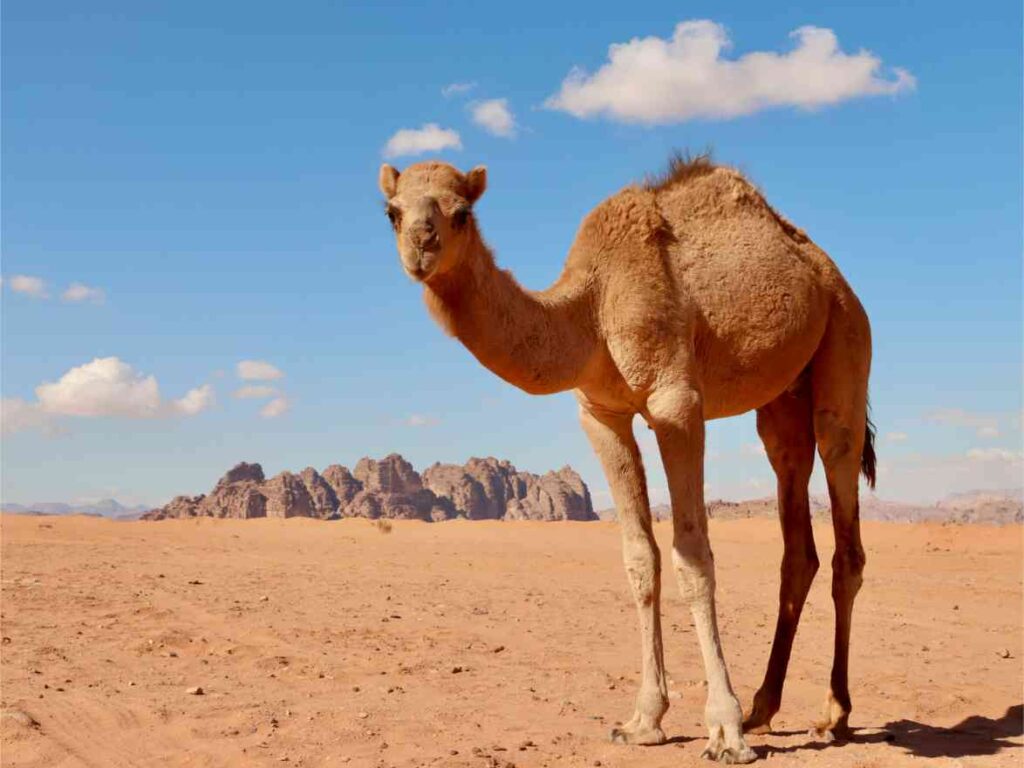
The Trans-Saharan Trade Routes and Cultural Fusion As the Sahara began to dry up around 5,000 years ago, human communities were forced to adapt. Rather than treating the desert as a barrier, local nomadic tribes, particularly the Tuareg and the Berbers, learned to navigate its treacherous terrains. The introduction of the camel—often called the “ship of the desert”—around the early centuries A.D. revolutionized Trans-Saharan trade. Massive caravans consisting of thousands of camels bridged the Mediterranean world with West Africa. They traded Saharan salt, which was as valuable as gold at the time, for gold, ivory, and textiles. This economic geography led to the rise of wealthy empires like the Mali Empire and transformed cities like Timbuktu into legendary centers of wealth, Islamic scholarship, and cultural exchange, proving that commerce could conquer the most challenging physical geography.
Modern Challenges and the Great Green Wall Today, the Sahara faces the critical challenge of desertification—the process by which fertile land becomes desert due to climate change and human activities like overgrazing. The desert is slowly expanding southward into the Sahel region, threatening the food security and livelihoods of millions of people. In response, African nations have launched the “Great Green Wall” initiative, an ambitious plan to plant an 8,000-kilometer strip of trees and vegetation across the entire width of Africa. This massive ecological engineering project aims to restore degraded land, trap the shifting sands, and create jobs, highlighting how modern societies are actively working to reshape geography to ensure a sustainable future for the continent.
Conclusion: The Evolving Story of the Sands The Sahara Desert is a profound reminder that the Earth is a living, changing system where geography is never permanent. It teaches us that what is today a burning desert was once a cradle of green life, and what seems like an isolated wasteland is actually a vital engine for global biodiversity. The story of the Sahara is one of resilience—both of the natural world and the humans who have dared to cross its burning sands. As we face our own global environmental crises, the shifting dunes of the Sahara challenge us to understand the delicate balances of climate and terrain, reminding us that the choices we make today will shape the geography of tomorrow.