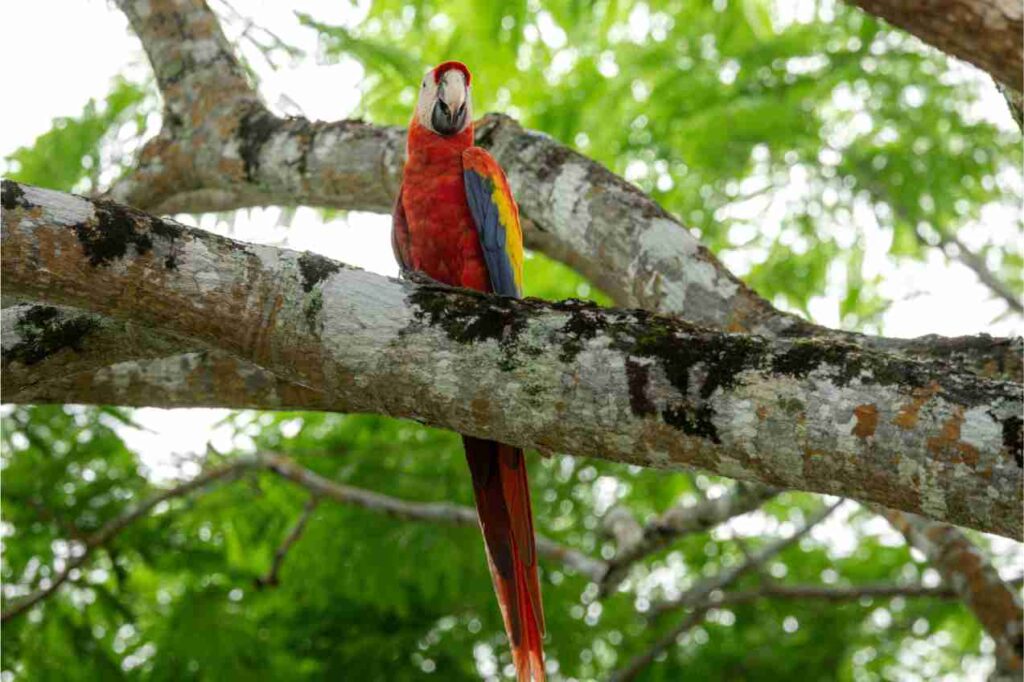
Inviting an exotic bird into your home is a commitment that extends far beyond simple pet ownership; it is the beginning of a lifelong journey with a highly intelligent and socially complex creature. Unlike traditional domestic pets, exotic birds such as parrots, macaws, and cockatiels possess cognitive abilities comparable to young children, requiring a sophisticated level of environmental enrichment and emotional engagement. Providing a safe haven for these avian companions involves a deep understanding of their natural habitats, dietary requirements, and psychological triggers. A well-cared-for bird can live for several decades, offering incredible companionship, but this longevity depends entirely on the owner’s ability to maintain a professional standard of care. This guide delves into the essential pillars of avian husbandry, ensuring your feathered friend remains physically vibrant, mentally sharp, and socially integrated within your household.
1. Advanced Avian Nutrition: Moving Beyond the Seed Myth For many years, the standard recommendation for bird owners was a simple seed-based diet. However, modern avian science has proven that a seed-only diet is dangerously deficient in essential vitamins and minerals, often leading to fatty liver disease and malnutrition. A professional nutritional plan must be diverse. High-quality formulated pellets should make up about 60-70% of the diet, as they are specifically engineered to provide balanced nutrition. The remaining 30-40% should consist of “chop”—a finely diced mixture of fresh vegetables like kale, broccoli, carrots, and bell peppers. Fruits should be offered sparingly due to their high sugar content. Furthermore, sprouted seeds and grains offer a much higher nutritional value than dry seeds, providing live enzymes that boost the bird’s immune system. Always avoid toxic foods such as chocolate, avocado, caffeine, and onions, which can be fatal even in small quantities.
2. Habitat Architecture and Environmental Enrichment The cage is not just a place for sleep; it is your bird’s primary territory. It must be large enough for the bird to fully extend its wings and flap without touching the sides. However, the cage is only the beginning. A professional setup includes a variety of perches with different textures and diameters, such as natural wood branches. This variation is crucial for foot health, preventing a common and painful condition known as bumblefoot. Enrichment is the next layer of habitat mastery. Birds are foragers by nature; in the wild, they spend most of their day looking for food. You can mimic this by using foraging toys where the bird must chew through paper or solve a puzzle to reach a treat. Rotating toys weekly prevents boredom and cognitive decline, keeping their active minds occupied while you are away.
3. Behavioral Psychology and Social Bonding Exotic birds are flock animals, meaning they have a biological requirement for social interaction. Isolation is one of the leading causes of self-mutilation, such as feather plucking, and chronic screaming. To maintain behavioral health, you must spend at least two to three hours of focused time with your bird daily. This interaction should include positive reinforcement training, which not only teaches them tricks or speech but also builds a foundation of trust. Understanding avian body language is key; a bird with pinned eyes and fanned tail feathers may be feeling aggressive or overstimulated. Respecting their boundaries and learning their subtle cues prevents biting incidents and fosters a harmonious relationship. Remember, birds do not understand punishment; they only respond to rewards and consistent, calm communication.
4. Respiratory Sensitivity and Household Safety Birds have an incredibly efficient but highly sensitive respiratory system. They breathe much more deeply than mammals, making them extremely vulnerable to airborne toxins. Professionally managed bird homes must strictly avoid the use of non-stick (Teflon) cookware, as overheated pans release fumes that can kill a bird within minutes. Similarly, scented candles, incense, strong cleaning chemicals, and aerosol sprays should never be used in the same room as the bird. Maintaining air quality through high-quality air purifiers can help reduce dander and prevent respiratory infections. Additionally, “bird-proofing” a room involves securing windows with decals to prevent collisions, covering mirrors, and ensuring there are no exposed electrical wires that a curious beak might chew on.
5. Grooming, Hygiene, and Preventive Medical Care Physical maintenance is vital for an exotic bird’s comfort. Regular bathing is essential for feather health; most birds enjoy a gentle misting from a spray bottle or a shallow dish of water to splash in. This helps remove “feather dust” and keeps their skin hydrated. Nail and beak maintenance should be performed by a professional or an experienced owner to avoid cutting the “quick,” which causes bleeding. From a medical standpoint, birds are masters at hiding illness—a survival instinct from the wild. By the time a bird looks sick (fluffed feathers, lethargy, or sitting on the bottom of the cage), the condition is often advanced. An annual wellness exam with a specialized avian veterinarian is necessary to perform blood work and fecal exams, catching potential issues before they become life-threatening.
6. Sleep Cycles and Hormonal Management Exotic birds require a strict sleep schedule of 10 to 12 hours of uninterrupted darkness and quiet every night. Lack of sleep can lead to extreme irritability and chronic hormonal issues. During certain times of the year, birds may experience hormonal surges that lead to nest-building behavior or increased aggression. To manage this professionally, avoid petting the bird anywhere other than the head and neck, as stroking the back or belly can be perceived as mating behavior. Maintaining a consistent routine and limiting high-fat foods during these periods helps stabilize their mood and prevents excessive egg-laying in females, which can lead to life-threatening calcium depletion or egg binding.